Setting Boundaries Without Guilt: Why Saying No Is Empowering, Not Selfish
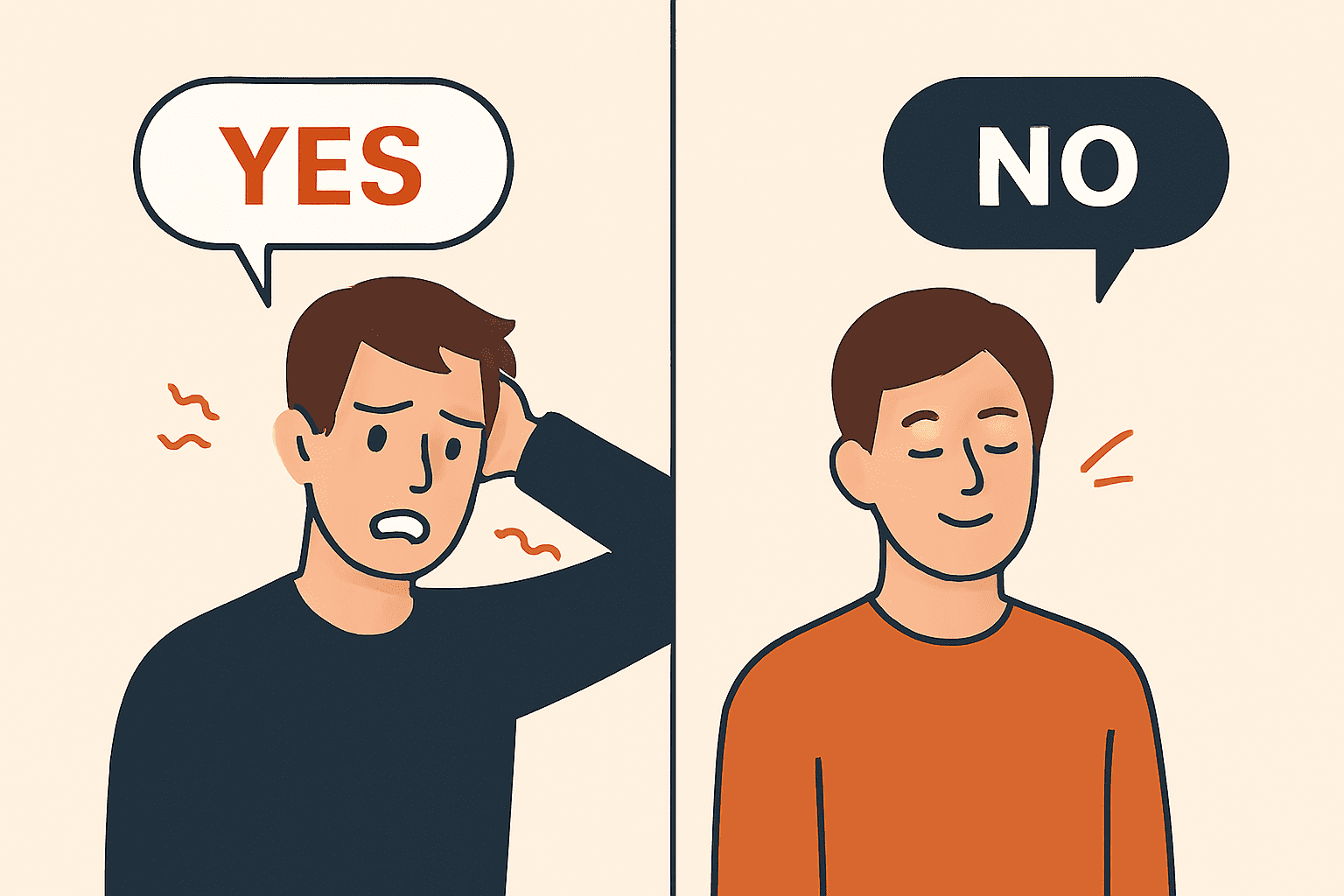
You know that sinking feeling—when your phone vibrates with another request, another favour, another ask on your already thin life. You want to say no, your chest tightens, but before you can catch yourself, the word “yes” tumbles out. Then there’s the guilt, the resentment, and the silent question niggling in your head: “Why can’t I just set boundaries without feeling guilty like everyone else appears to?”
Here’s the reality: you can. In this article, you will discover why saying no is not selfish—it’s empowering—and how setting boundaries without guilt can actually make your relationships stronger, safeguard your energy, and regain the freedom you’ve been longing for.
Table of Content
Table of Contents
The Silent Weight We Carry

Do you ever find yourself saying “yes” when your entire self just wanted to yell “no”?
Perhaps it was a friend requesting an emergency favour, your boss loading you up on more work when you were already drained, or loved ones expecting you to be there for them all the time.
You smile, nod, and agree—while inside, a knot twists in your stomach. That evening, you’re going over it in your head: Why didn’t I just say no? Why do I always feel so guilty when I try to set boundaries?
If this sounds familiar, you are not alone. The battle of setting boundaries without guilt is one of the silent struggles people confront today. And here’s the reality most of us tend to forget:
Saying “no” isn’t rejection—it’s self-respect.
Why We Equate Boundaries With Selfishness
Since childhood, many of us are taught that “good people” are selfless.
- Share your toys.
- Don’t upset anyone.
- Be helpful.
- Always say yes.
Fast forward to adulthood, and that conditioning holds. When we are asked for time, energy, or assistance by someone, saying no seems like defying some unwritten rule.
But here’s the paradox: ignoring your own needs consistently in an effort to please others does not make you kind—it exhausts you.
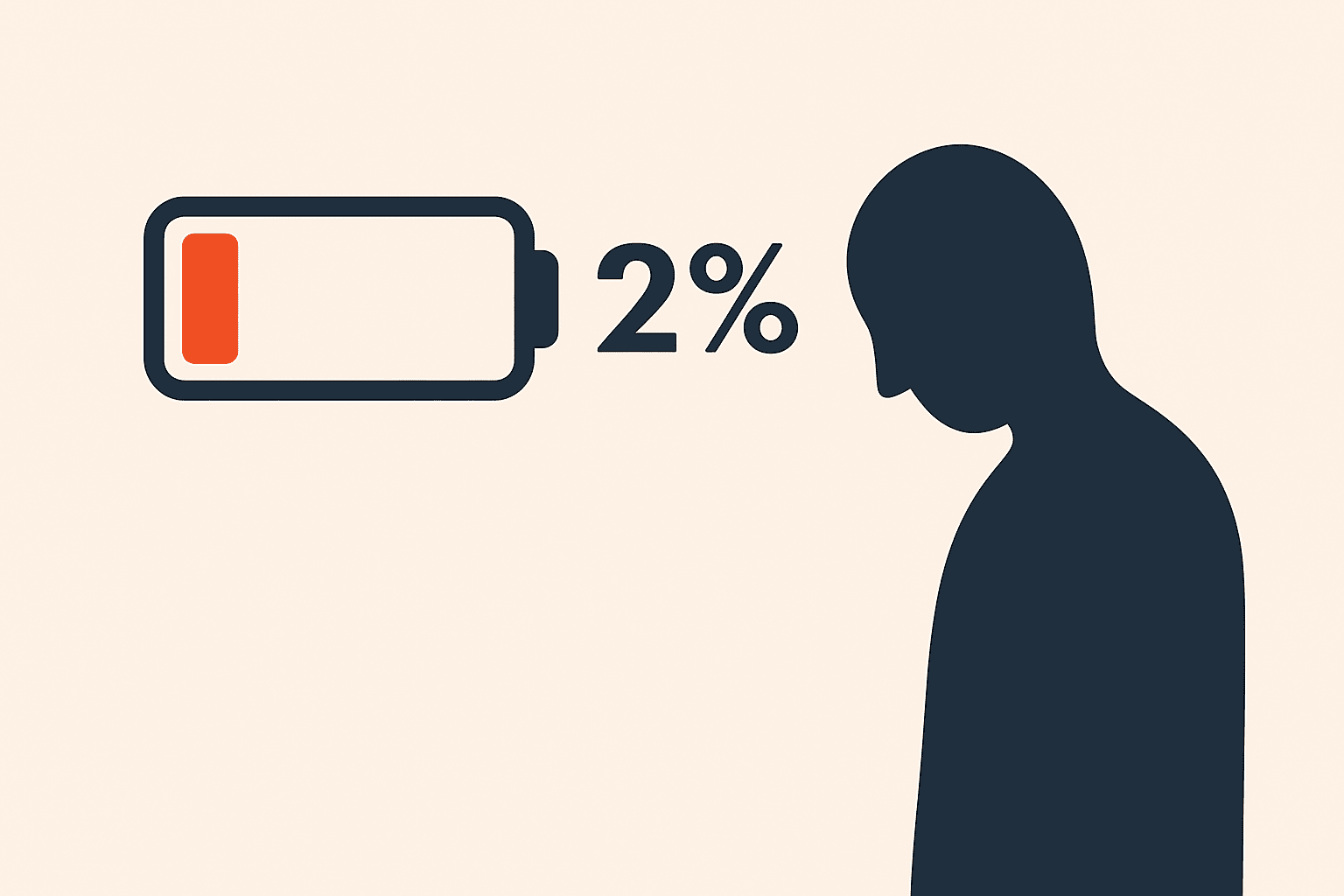
Picture this: your phone with 2% battery. Rather than charge it, you pass it along to five other people to use. Soon enough, it runs out of power. That’s what happens when you never charge yourself on boundaries.
The Emotional Cost of Always Saying Yes
Let’s be real—when you say yes because you feel guilty, it usually doesn’t feel good.
- You end up overcommitted.
- You resent the person you said yes to.
- You begin to forget your own aspirations, dreams, and serenity.
That guilt you’re experiencing about setting boundaries without guilt? It’s not only misplaced—it’s unnecessary. You’re not doing something bad—you’re taking back space to catch your breath.
Others tend to mistake kindness for availability. But kindness isn’t a doormat. Kindness is deliberate—it’s based on choice, not duty.
Think about relationships—romantic or even family. Maybe your partner asks you to cancel your plans for their convenience. You don’t want to disappoint them, so you say yes. But later, resentment builds quietly. You gave up your need to protect the relationship, yet ironically, that “yes” weakens it. Setting boundaries without guilt in relationships doesn’t push people away—it shows them how to love you better.
The Shift: From Guilt to Empowerment
Imagine this:
A co-worker asks if you can work their shift—for the fifth time. Typically, you’d oblige even though you’re up to your eyeballs in work. This time, though, you stop and respond calmly:
-> “I can’t take that on right now. I need to concentrate on my own projects.”
Your chest tightens at first—guilt intrudes. But then something surprising occurs. Rather than getting caught up in self-blame, you experience a sense of relief. You finally respected your own boundaries.
That’s the change. Saying NO no longer comes across as letting someone down. Rather, it comes across as standing tall in your own life. That’s what setting boundaries without guilt actually looks like—choosing yourself without apology.
Why People Respect Boundaries (Even If They Don’t Like Them)
Here’s a secret: when you begin setting boundaries without guilt, some people won’t like it. They’ve been used to your constant yes. They might push back, guilt-trip you, or go cold.
But here’s the long game—healthy people will respect you more, not less. Because boundaries demonstrate that:
- You value your time.
- You know your worth.
- You are reliable because you don’t overcommit.
Think of it this way: would you be okay with a bridge that allows cars to stack up until it breaks? Or one that’s aware of its limit and holds firm? The latter deserves respect. So do you.
The Boundary-Guilt Loop: Breaking Free
Why is guilt so heavy when you say no? It’s because our brains confuse boundaries with rejection. But rejection is not what’s going on—you’re just deflecting energy.
Try reframing guilt into gratitude.
Instead of thinking:
-> “I’m a bad friend for not helping.”
Think:
-> “I’m grateful I protected my energy, so when I do show up, I’ll be fully present.”
It’s not selfish. It’s sustainable.
Real-Life Stories We All Know
Let’s make this real.
- The employee who is always saying yes to overtime, quietly burning out on the sidelines.
- The student who agrees to every group project role, then crumbles under deadlines.
- The parent who is always prioritising children and never makes room for personal happiness or self-rest.
Why do they do that? Most times, it’s not because of responsibility—it’s because of fear. Fear of disappointing others, fear of losing love, fear of being “selfish”. We bend over backward, we overdo, and we do things that aren’t authentic for us—just to make others happy, to maintain the relationship, and to be worthy of their acceptance.
But this is the turn: when finally they do say no, things change.
Their relationships don’t collapse. They actually get better, because honesty replaces resentment. Love strengthens when it isn’t based on self-sacrifice only but on respect and honesty.
How to Say No Without the Guilt Spiral
You don’t need a script, but here are some natural ways that people begin setting boundaries without guilt:
- Be clear, not cruel. “I can’t make it tonight, but thank you for inviting me.”
- Swap apologies for gratitude. Instead of “Sorry, I can’t help,” use “Thank you for understanding.”
- Deny instead of delay (if necessary). “I can’t at the moment, but possibly next week.”
- Keep your why in mind. Boundaries are not rejection—boundaries are energy protection so you can give more when you want.
The guilt gets lighter the more you practise.
Empowered Boundaries Ripple Effect
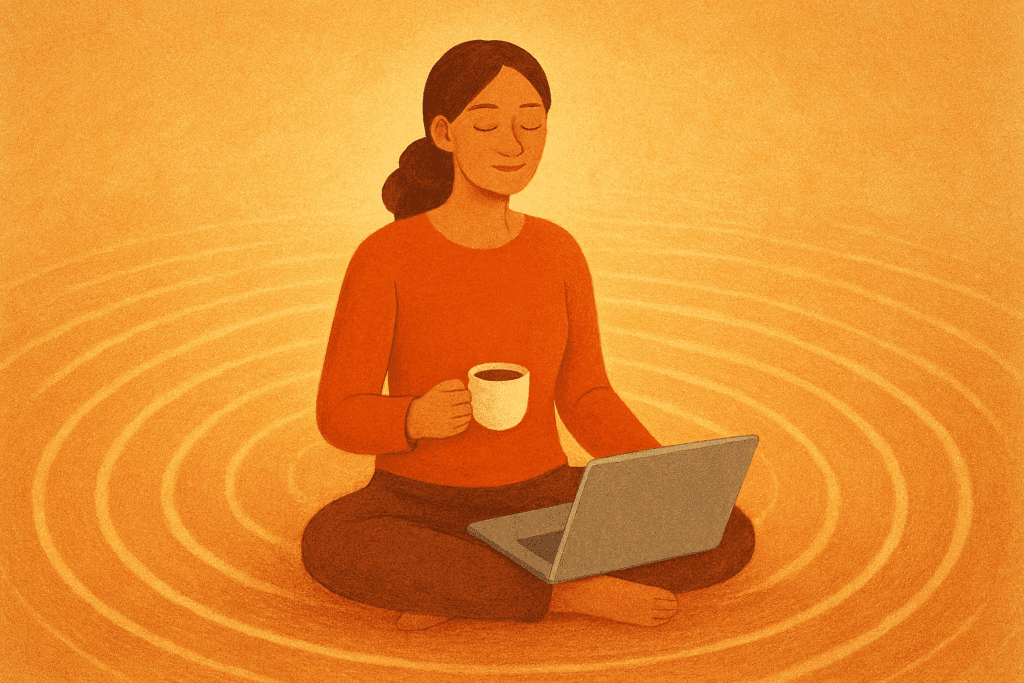
Magic occurs when you become proficient at setting boundaries guilt-free: your relationships change.
- You have people around you who value your time.
- You end people-pleasing and begin people-connecting.
- You feel more relaxed, clearer, and more present in life.
And here’s the wonderful thing: your willingness to say no tends to make others okay about doing so themselves. When they observe you living freely, guilt-free, they see they can too.
Final Thoughts: No Is Not a Wall, It’s a Door
Imagine boundaries not as walls that keep others out but as doors that keep what’s inside safe while allowing the right individuals to come in.
Saying no does not indicate you love less. It means you love yourself enough not to burn out. It means you are willing to be fully present, rather than half-present and bitter.
So the next time you find yourself holding back, keep in mind: setting boundaries without guilt is not selfish—it’s empowering.
Because the truth is, when you respect your needs, you show the world how to respect you as well.
💌 A Note to You
If you’re reading these words, perhaps you’ve been nodding your head the entire time, mouthing, “This is me.”
Here’s a thing you should know: you are not weak for fighting with guilt. You are human. And every boundary that you practise, no matter how insignificant it seems, is one step closer to freedom.
So today—once—say no where you normally say yes. Feel the weight lift from your chest. Notice how much more easily you breathe. That’s not selfishness. That’s power.
Because your peace is worth fighting for. Always.