
Digital Detox: Reclaim Your Mind, Energy, and Concentration in 2025
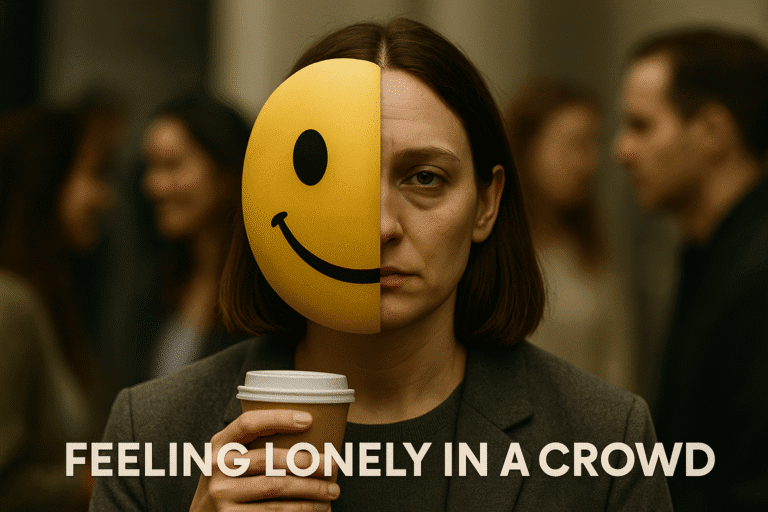
Picture yourself entering a café in 2025. Tables with groups of people, steaming cups of coffee, but bowed heads—not praying or talking—only illuminated by the light of their phones. Friends are sitting together scrolling various feeds. A couple is taking pictures of their meal, barely speaking. A teen is checking their TikTok likes every two minutes.
This is the new normal.
And this “normal” is quietly destroying us, and that’s why digital detox is required.
We don’t even realise it. The urge to glance at a notification feels harmless. The ritual of scrolling in bed feels normal. But under the surface, our brains are being remapped. Our attention spans shrink. Our capacity for presence deteriorates. Anxiety, comparison, and burnout intensify.
The truth? We’re not addicted to our phones. We’re addicted to the feelings they promise us—dopamine hits, distraction, and escape. And that addiction is making us mentally sick.
That’s why a digital detox isn’t just a wellness trend in 2025—it’s an act of rebellion, a way to reclaim your freedom.
Table of Content
Table of Contents
Why We’re More Hooked Than Ever (And Why a Digital Detox Matters)

It’s not your fault. Phones are made to keep you addicted. Each app you use, each ping you receive, each reel that autoplayed when you didn’t even request it—it’s all designed. Tech companies employ behavioural scientists who understand how to keep your brain in pursuit of the next high.
- Instagram and TikTok feed on endless scroll, having your brain hold out for “just one more” dopamine hit.
- Notifications are designed to catch you off guard at your most vulnerable times.
- Even productivity software snuck in gamified streaks to keep you “engaged”.
No wonder research indicates the average person checks their phone more than 150 times per day. We’re like lab rats pressing the dopamine lever, over and over.
And while our thumbs swipe, our minds suffer:
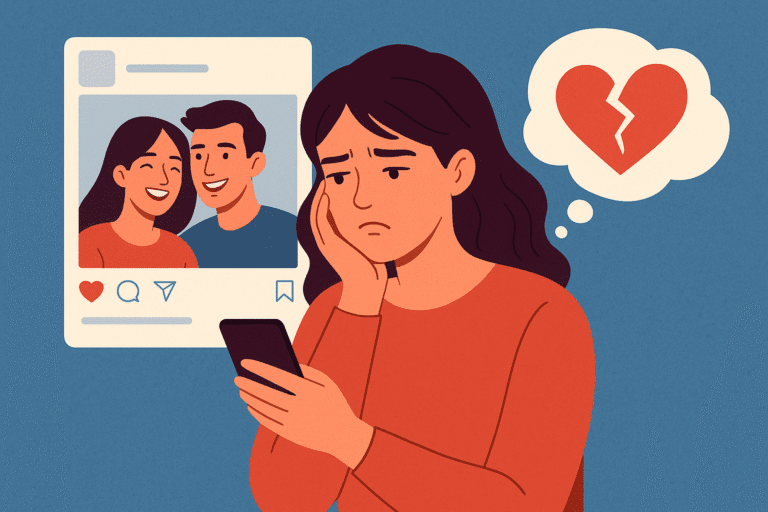
- Anxiety goes through the roof with constant comparisons.
- Sleep is disrupted by blue light and late-night scrolling.
- Conversations dwindle, giving way to emojis and half-arsed responses.
We refer to it as “connection”, yet what we actually experience is disconnection—with ourselves, our loved ones, and even our own ideas. A digital detox is the path back.
What a Digital Detox Really Means for Your Mind
A digital detox has nothing to do with hating technology. It has to do with keeping in mind that you are human first, user second.
It’s a break. A restart. An opportunity to remind your nervous system what it feels like to be still. To allow your brain to learn again to enjoy without a glowing rectangle instructing you how to feel.
It doesn’t have to be locking the phone away in a box for a month. Sometimes it’s just a matter of:
- Walking outside without your phone and paying attention.
- Having dinner with no single notification vibrating.
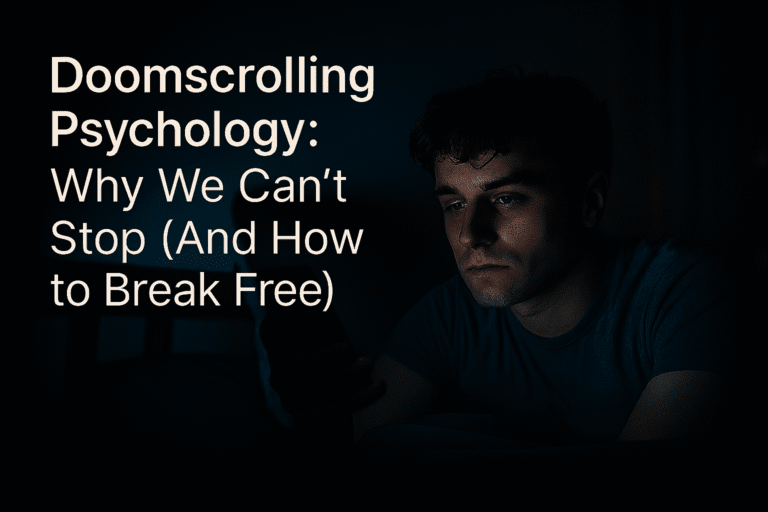
- Bedtime without doomscrolling yourself into fitful sleep.
A digital detox is a reminder that your attention is precious. That your brain isn’t designed to be “always on”. That quiet, boredom, and downtime aren’t nothing—those are where peace and creativity reside.
The Mental Cost of Forgoing a Digital Detox
Here’s the thing: this digital life is getting us ill.
- Mental overload: Endless pings keep the brain constantly in fight-or-flight mode. No surprise burnout is the new norm.
- Emotional fatigue: Witnessing highlight reels of everyone else’s lives erodes self-esteem.
- Fragmented focus: we can’t even watch a movie without glancing at another screen.
- Restless nights: Blue light and bottomless feeds deny us deep, restorative sleep.
We once were afraid of missing out on experiences. Now we are afraid of missing out on notifications. That’s how far the pendulum has swung. A digital detox is how we break free.
Why a Digital Detox Works (Backed by Science)
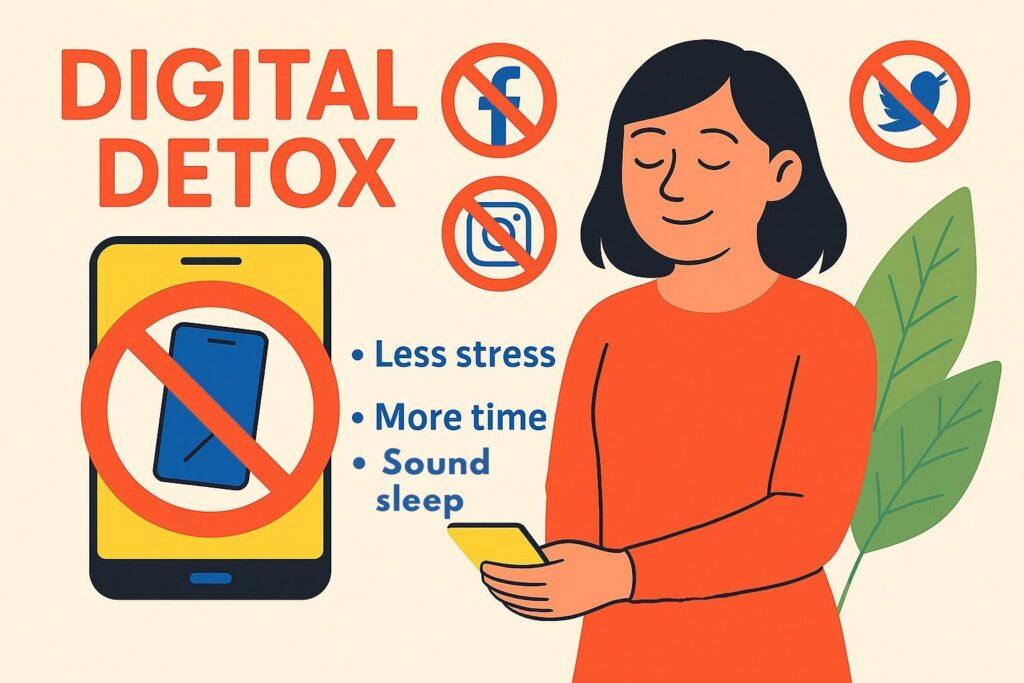
The moment you take a step back, something changes. Initially, you’ll feel fidgety, even restless—your mind craving for the next fix of dopamine. But wait a day, maybe two, and the haze begins to clear.
- You begin to hear again—the whir of the street, the cadence of your own breathing.
- You’re more at peace, less in a hundred directions.
- You sleep more soundly.
- You start to like being, rather than scrolling.
Research supports this: even a week off from social media decreases stress, enhances mood, and improves memory. The science merely verifies what your body is telling you—you were never built to survive through a screen. A digital detox allows you to reboot to your own time.
Digital Detox in 2025: More Needed, More Extreme
The problem now is that technology isn’t just in your pocket—it’s everywhere. AI sorts through your feeds, VR presents entire worlds, and notifications trail you across devices.
So that’s why a digital detox today is not merely about screens—it’s about sanity. It’s about selecting moments where you say,
“I am not available to the algorithm. I am available to myself.”
Even tiny acts of resistance make a difference:
- Charging your phone outside your bedroom.
- Spending a weekend morning offline.
- Not bringing your phone on a walk.
These aren’t habits. These are declarations. They’re you taking back your attention in a world that’s working to steal it.
Easy Tips for an Actual Digital Detox
A digital detox doesn’t have to be extreme. It’s about small rebellions against the screen that start to rewire your habits. Try a few of these and notice how quickly the fog begins to lift:
- Phone-Free Mornings Don’t let your first breath of the day be filled with notifications. Keep your phone away for the first 30 minutes after waking. Let your mind meet the day before the screen does.
- Designate One Tech-Free Area Pick a special area— your bedroom, dinner table, or reading nook—where laptops and phones never go. That boundary tells your brain, “Here, I rest.”
- One Hour of Digital Sunset Cut off from screens at least one hour before bedtime. Read, stretch, or journal instead. Your sleep will thank you.
- Substitute Scrolling with Movement
Whenever you catch yourself reaching for your phone, get up and take a couple of steps or stretch. It restarts body and mind in minutes. - Weekly Micro-Detox
Choose one afternoon or evening a week to go dark. No socials, no emails. It’s a nervous system reset ritual.
The Benefits You’ll Notice in Just 7 Days of Digital Detox
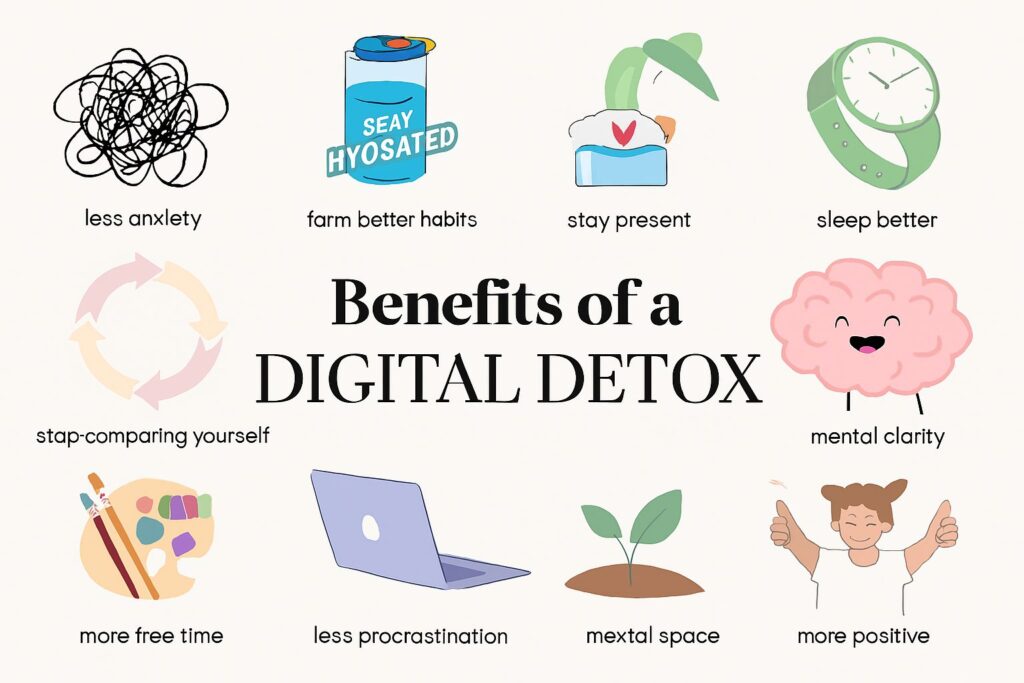
Most people are surprised by how quickly things shift. Within a single week of a digital detox, you might feel:
- Calmer mind – fewer racing thoughts, less background anxiety.
- Deeper sleep – no blue light, no midnight doomscrolling.
- Sharper focus – work and conversations feel easier to stay with.
- More time – hours you didn’t realise were leaking into your feed suddenly return.
- Improved moods – less comparison, more satisfaction.
It’s not magic—it’s just you, released from the perpetual pull of a glowing screen.
✨ Final Takeaway
In 2025, a digital detox is no longer a luxury. It’s survival.
We can’t think clearly, love deeply, or live fully if our minds are hijacked constantly by glowing screens. But every time you lay your phone down, every time you choose presence over pings, you remind yourself:
- You’re not an object.
- You’re not a beep.
- You’re not a thumb scrolling by.
“You’re a human being.”
And that—more than any app—will always be worth your attention.


4 Comments