
The Psychology of Decision Fatigue: Why Choices Drain Us
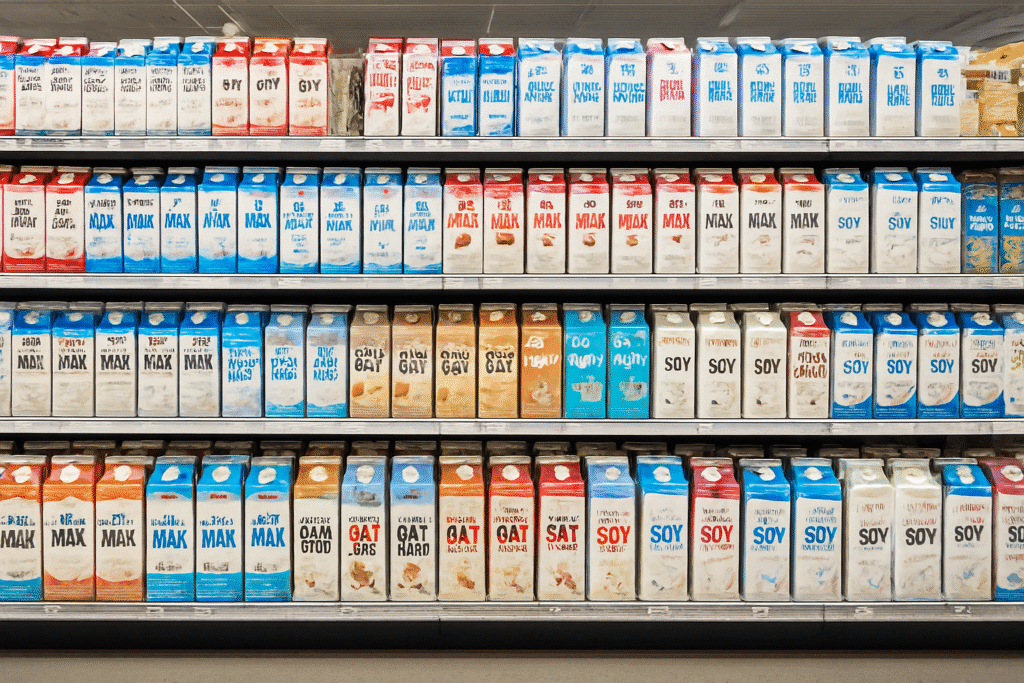
Imagine entering the supermarket after a long day. You simply wish to purchase a carton of milk, but then you are confronted with whole milk, skim milk, oat milk, almond milk, soy milk, lactose-free milk, and even protein-fortified milk. When you get to the checkout, you feel strangely exhausted, as though you’ve completed a mental marathon.
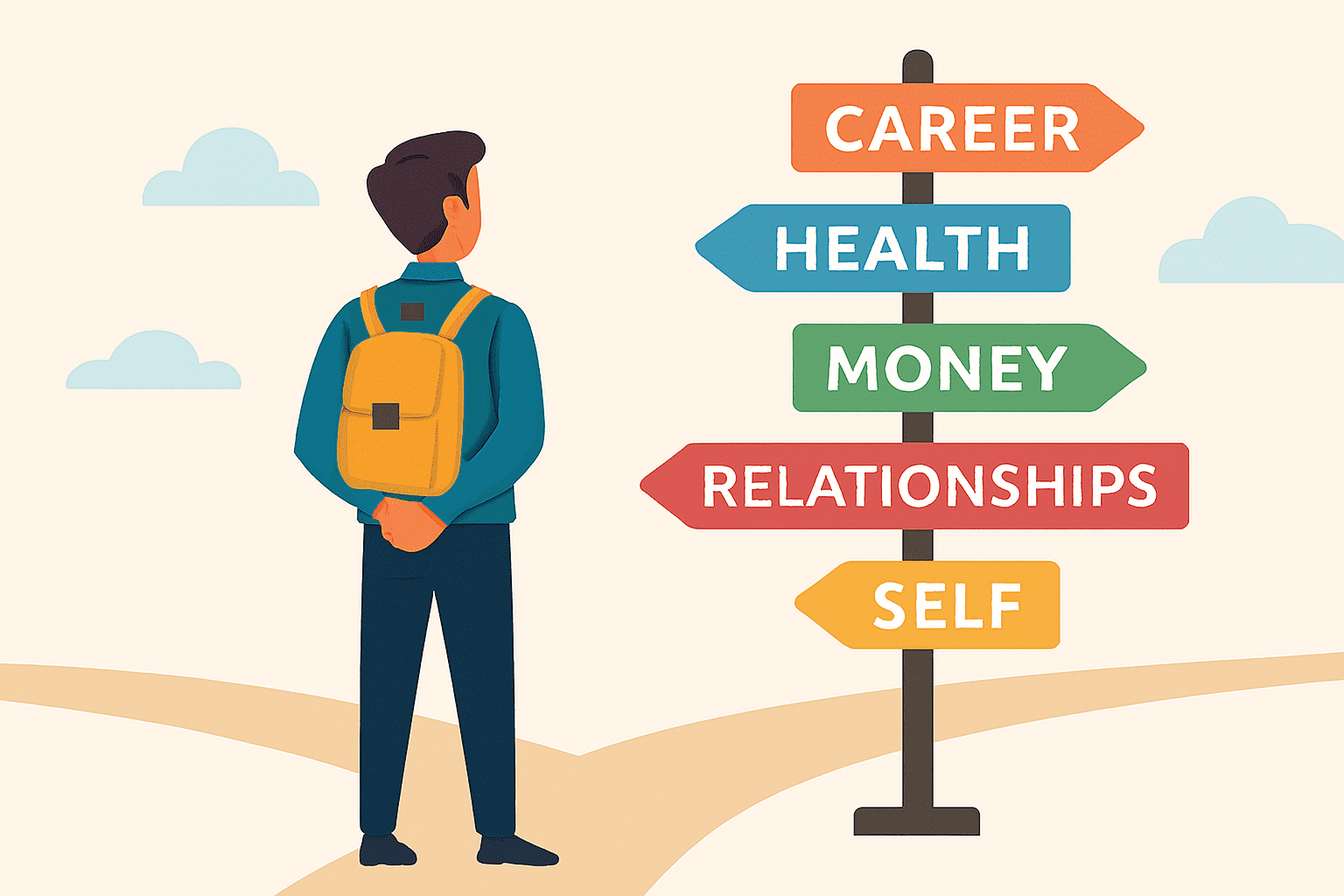
This unseen fatigue is not laziness. It’s a mental phenomenon called “decision fatigue“. And in today’s hyper-stimulated, option-ridden world, decision fatigue is quietly influencing the way we live, spend, work, and even love.
Let’s untangle the psychology of decision fatigue, why it occurs, how it impacts your daily life, and most importantly—what you can do to safeguard your mental energy from the never-ending sea of choices.
Table of Content
Table of Contents
What is decision fatigue psychology?
Decision fatigue is the cognitive and emotional effect of making too many decisions in a day. Every single decision—no matter how small (“Do I wear sneakers or sandals?”) or significant (“Do I take this job offer?”)—burns a little bit of your mental energy. Day after day, those decisions add up, depleting your capacity to think clearly, stay concentrated, and make good judgements.
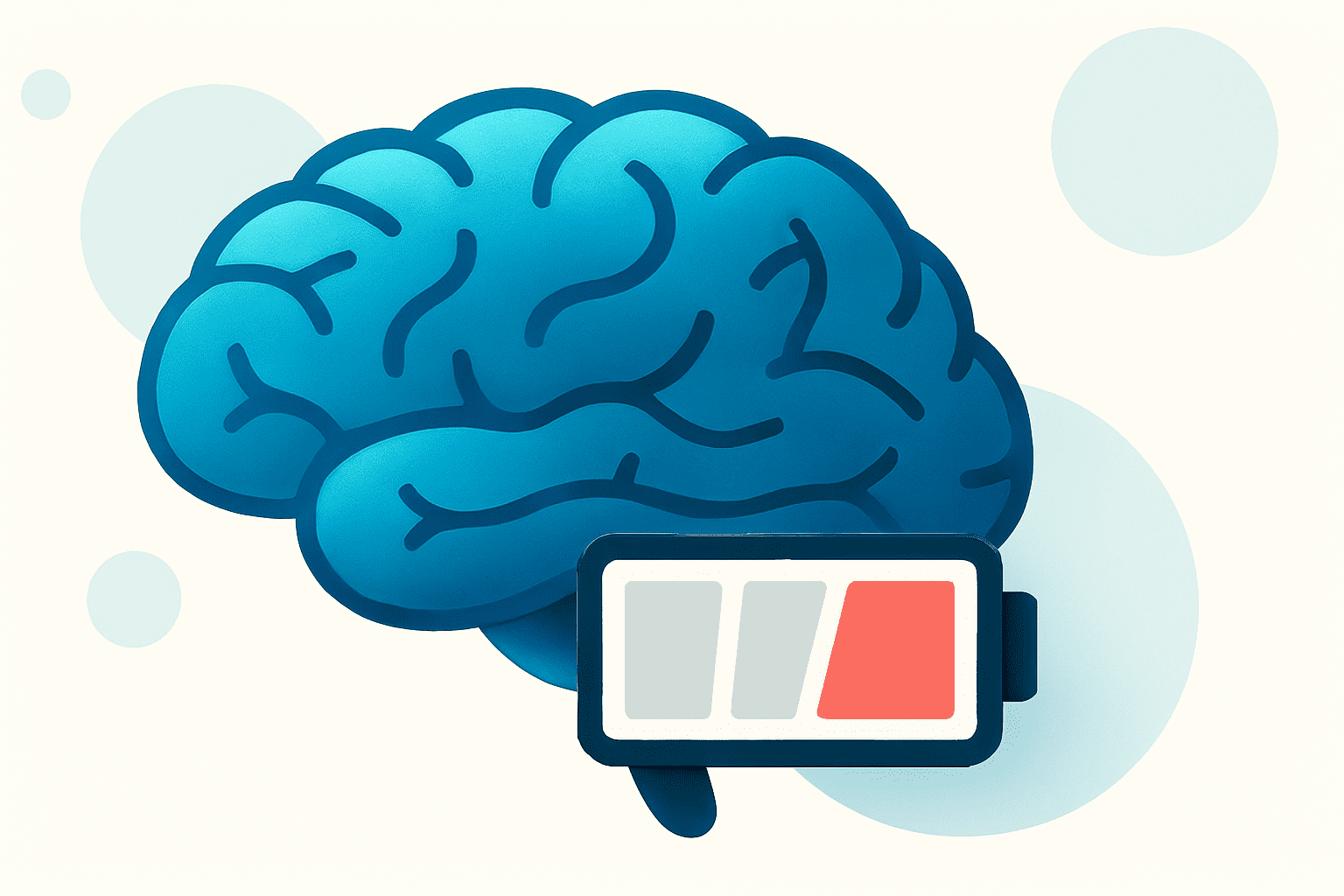
Consider your brain as a battery. Every decision you make during the day drains that battery percentage. By the time the afternoon or evening rolls around, your “decision battery” is all but depleted. This is why you may find yourself yelling at little things, grabbing junk food, or saying, “I don’t care, let’s just order something” when someone asks you what’s for dinner.
“Willpower, like a muscle, gets tired with use.”
– Roy Baumeister, Social Psychologist
The Psychology Behind Decision Fatigue
Psychologists have been researching decision fatigue for decades. Here’s what has been found:
1. Limited Cognitive Resources: Our brain contains limited decision-making strength each day. When exhausted, it resorts to shortcuts.
2. Ego Depletion Theory: Deciding also uses up self-control, making temptations more difficult to resist afterward.
3. Mental Trade-Offs: Every decision needs comparing, forecasting outcomes, and assessing risks. The calculations continue silently, draining your mental strength.
This explains why CEOs wear the same style of clothing daily, why judges make harsher rulings later in the day, and why you’re more likely to splurge on junk food after a long workday.
Signs You’re Mentally Drained by Choices
You might be struggling with decision fatigue without even realising it. Here are common symptoms:
- Procrastinating simple tasks.
- Feeling overwhelmed by minor choices.
- Making impulsive purchases.
- Struggling to focus or concentrate.
- Saying “I don’t care; you decide” more often.
If you’ve ever stared blankly at Netflix for 30 minutes, unable to pick a show, you’ve felt it.
Everyday Examples of Decision Fatigue
Decision fatigue sneaks into daily life in surprising ways:
| Situation | How Decision Fatigue Appears |
|---|---|
| Workplace | Endless meetings, task switching, and emails cause inefficient productivity. |
| Shopping | Excessive product choices lead to overspending or buyer’s regret. |
| Health | Choosing meals daily makes dieting harder to sustain. |
| Relationships | Constant small negotiations (“Where to eat?” and “What to watch?”) create tension. |
Our modern lives—overflowing with choices—make decision fatigue almost inevitable.
Why Decisions Drain Us
So why does decision-making become so exhausting, then? The psychology of decisions explains three fundamental reasons:
1. Cognitive Overload – Each decision puts “mental tabs” that remain open in your head.
2. Fear of Regret – The greater the options, the more you dread making the bad decision.
3. Perfectionism Trap – When you think you have to select the “best” choice each time, the pressure doubles.
This is a trio that makes minor decisions into heavy emotional labour.
The Real Cost of Decision Fatigue in Life
Decision fatigue isn’t simply fatigue. It has real-life consequences:
- In Finance: Bad investment decisions or impulse spending when exhausted.
- In Careers: Significant career decisions are delayed or done on autopilot.
- In Health: Unwholesome meals are selected because they’re convenient.
- In personal development: you abandon goals because decisions become overwhelming.
Actually, research reveals that decision fatigue can reduce your productivity as much as lack of sleep.
Celebrity Examples of Combatting Decision Fatigue
Few of the world’s most effective leaders purposefully limit decisions.
- Barack Obama wore only blue or grey suits during his presidency to conserve energy for larger decisions.
- Steve Jobs wore only his legendary black turtleneck for the same reason.
- Mark Zuckerberg does the same with his grey T-shirt.
They knew the secret: conserving mental energy on small decisions leaves room for large, influential ones.
How to Overcome Decision Fatigue
The good news? Decision fatigue can be controlled. Here are evidence-based strategies:
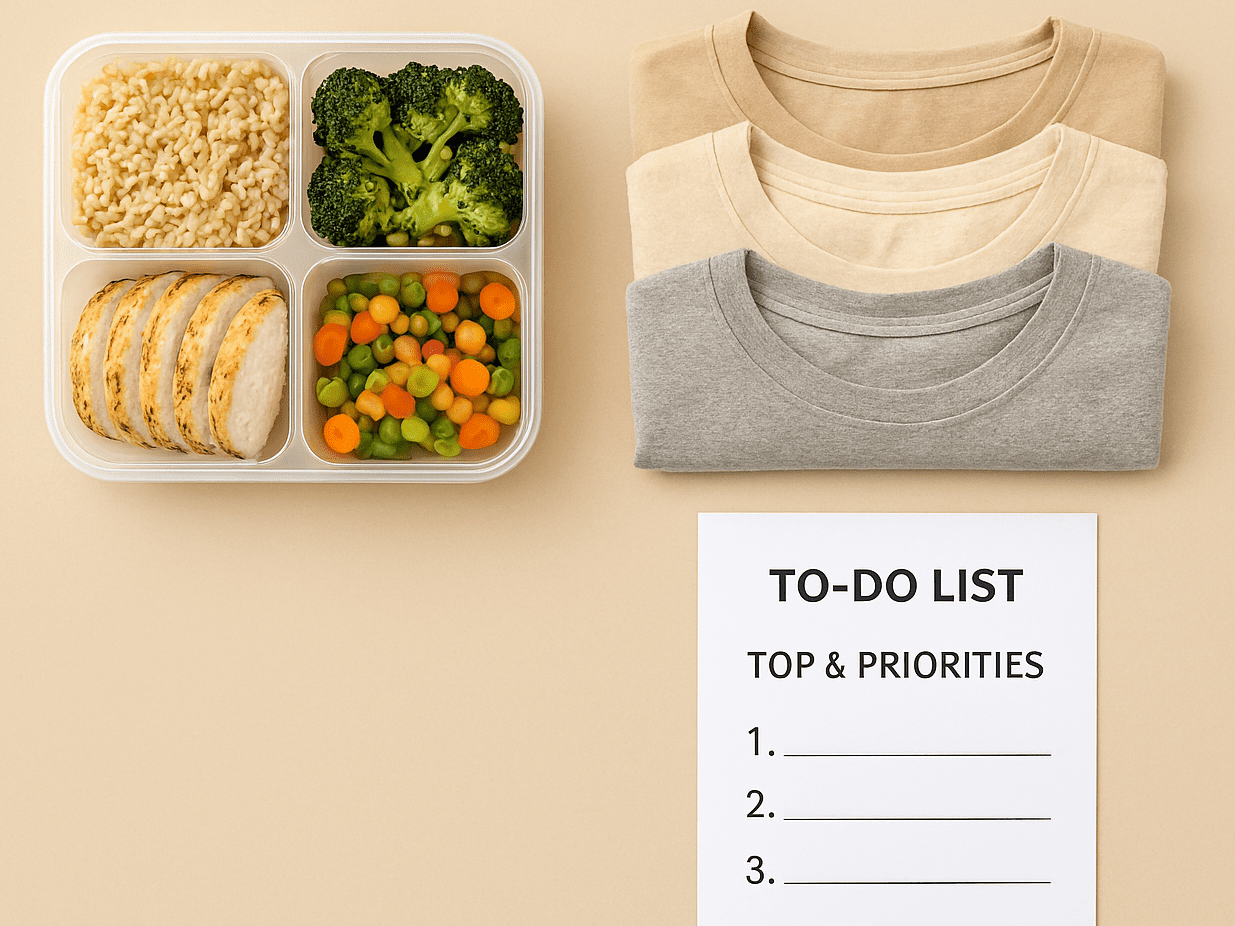
1. Automate Small Decisions
- Meal-prep every week to prevent everyday food decisions.
- Adopt a capsule wardrobe to minimise clothing decisions.
- Automate recurring bill payments.
2. Make Big Choices First
Your mind is most acute in the morning. Make significant calls, financial decisions, or creative work before lunch.
3. Limit Choices Where Possible
Rather than 20 choices, have 3 streamlined menus, apps, and to-do lists.
4. Create Routines
Routines make actions automatic, conserving mental resources for novel or unexpected challenges.
5. Break and Refuel
Physical rest, water, and snacks (particularly glucose) restore decision-making ability.
Decision Fatigue vs. Burnout
It’s simple to mistake decision fatigue for burnout, but they’re different:
| Decision Fatigue | Burnout |
|---|---|
| Temporary, due to too many decisions. | Long-term, due to chronic stress and workload. |
| Rest and simplification do the trick quickly. | Takes deeper recovery and changes to lifestyle. |
| Tastes like brain “fog” or indecision. | Tastes like emotional exhaustion and demotivation. |
Knowing the distinction enables you to treat the correct issue.
The Role of Technology in Decision Fatigue
Ironically, the same apps that are meant to simplify life end up contributing to decision fatigue:
- Social media timelines overwhelm us with choices—what to watch, like, follow, and buy.
- Streaming services bombard us with limitless shows.
- Online shopping displays endless product comparisons.
That’s why “digital minimalism“ is catching on—individuals deliberately reduce online decisions to free up mental energy.
The Link Between Choices and Willpower
Decision fatigue is associated with willpower in research. When decision-making energy is depleted, your self-control suffers.
That’s why:
- Dieters sabotage their diets late at night.
- Students procrastinate after studying for hours.
- Employees make impulse purchases after long workdays.
Saving yourself from decision fatigue is also saving your willpower.
Practical Daily Checklist to Reduce This
Here’s an easy plan you can begin tomorrow:
- [ ] Prepare clothes the night before.
- [ ] Plan breakfast alternatives in advance.
- [ ] Utilise a top 3 priority to-do list only.
- [ ] Reduce social media browsing window times.
- [ ] Make decisions about dinner during the day.
- [ ] Create deadlines to prevent making do-overs forever.
Last Thought – Adopting a Simpler Life
The thing is, choices will never cease to come. But you don’t need to be overwhelmed by them. By knowing the psychology of decision exhaustion, you can shield your mental power, enhance your self-regulation, and make better, more peaceful decisions.
Keep in mind: the aspiration isn’t to do away with choices—it’s to create a life such that the most significant decisions have your best energy.
💌 A Personal Note to My Readers
If you’ve reached this point, I want to thank you. We live in a culture that glorifies busyness and constant options, but awareness is the first step to freedom. My advice? Simplify wherever you can, trust yourself more, and remember—your energy is precious. Use it for choices that truly

One Comment