
An Emotional First-Aid Kit: 5 Simple Practices for Life’s Hard Days
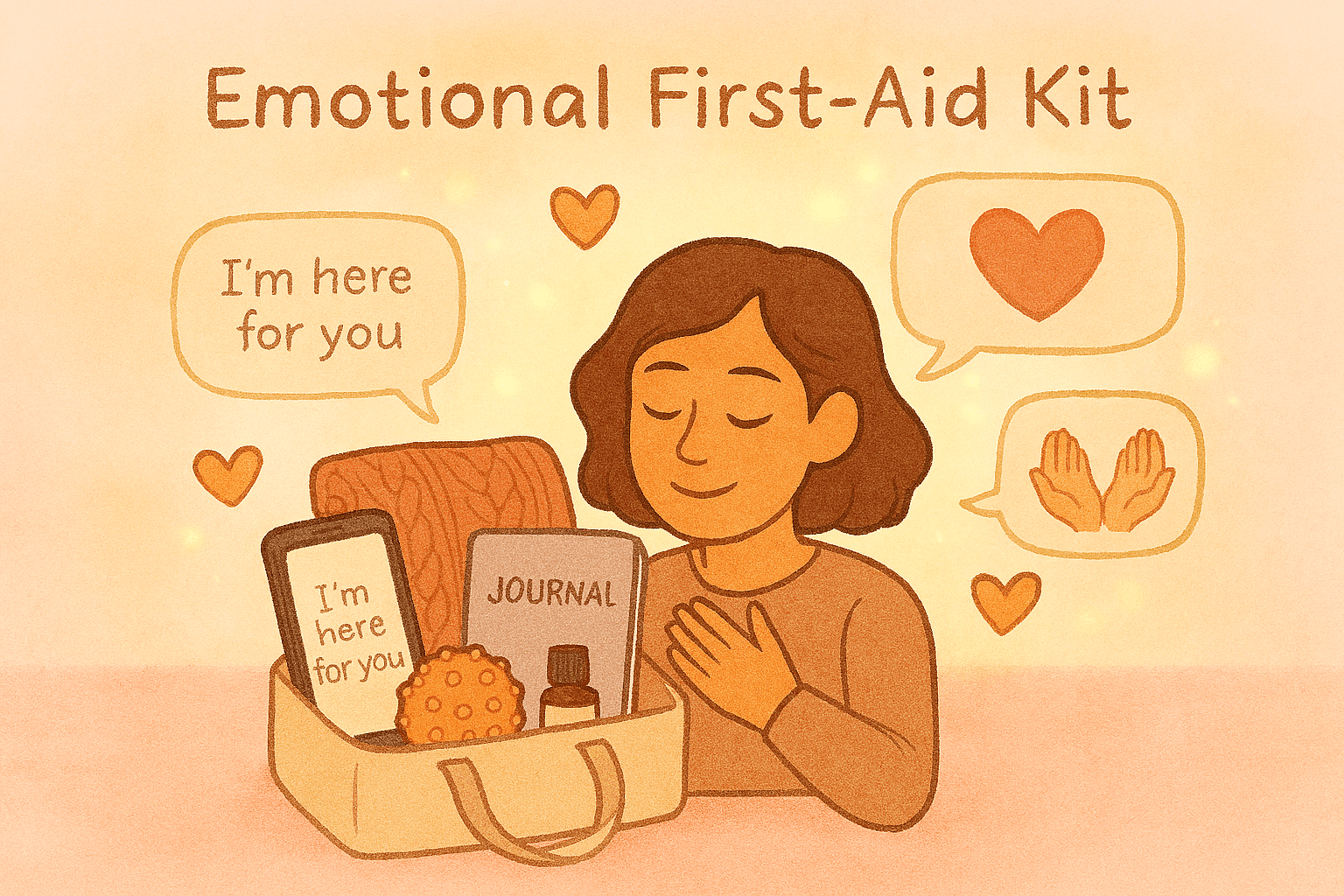
There are days when the world seems to be sitting on your chest, right? Perhaps your email is bursting at the seams, someone said something hurtful, or you woke up already exhausted, like the world is challenging your tolerance. I get it. We’ve all experienced those mornings when just getting out of bed makes you feel like a winner.
What I’d like to speak about today is something I refer to as an Emotional First-Aid Kit—a small toolkit for your heart for the times when life becomes too much. It’s not about fixing everything right away but about getting you through, letting you breathe, and reminding you that you’re human—and that is perfectly fine.
Let me tell you five easy ways to take care of yourself on life’s toughest days, in a way that’s honest, understandable, and actually possible.
Table of Content
Table of Contents
1. Pause and Just Breathe
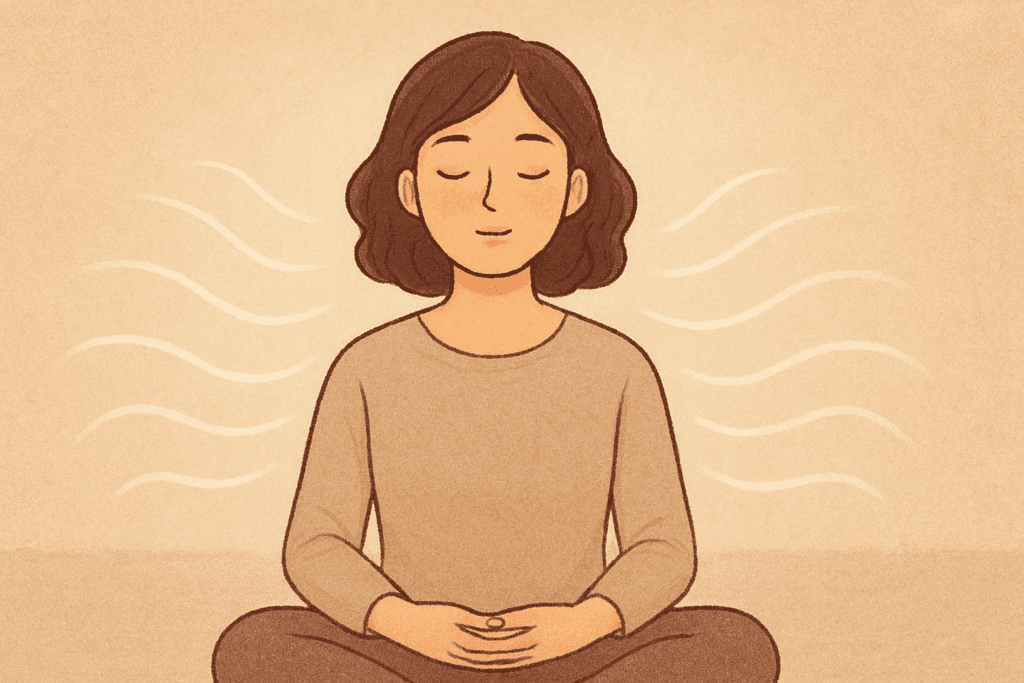
Did you know that when you start feeling overwhelmed, your body tightens up, your chest tightens, and your mind begins racing like a runaway car? That’s when your first tool kicks in: your breath.
It’s easy, but it’s effective. Just stop. Shut your eyes if you can. Breathe in slowly, hold it for a few seconds, and then exhale. Do it a few times. You don’t require complicated techniques or lengthy meditations—just a brief moment to slow down. 🌿
When I do that, it’s like I’m saying to my own head, “Hey, it’s all right. We’re going to survive.” Suddenly, what felt intolerable feels a little less so. Your body and mind aren’t divided—you communicate with each other. And a few breaths can reprogram both.
“Breath is free. You carry it everywhere. Use it like a tiny lifeline.”
Even when you’re at the office, in a meeting, or waiting for someone to return your call, you can take this little break. No one even needs to know.
2. Name What You’re Feeling
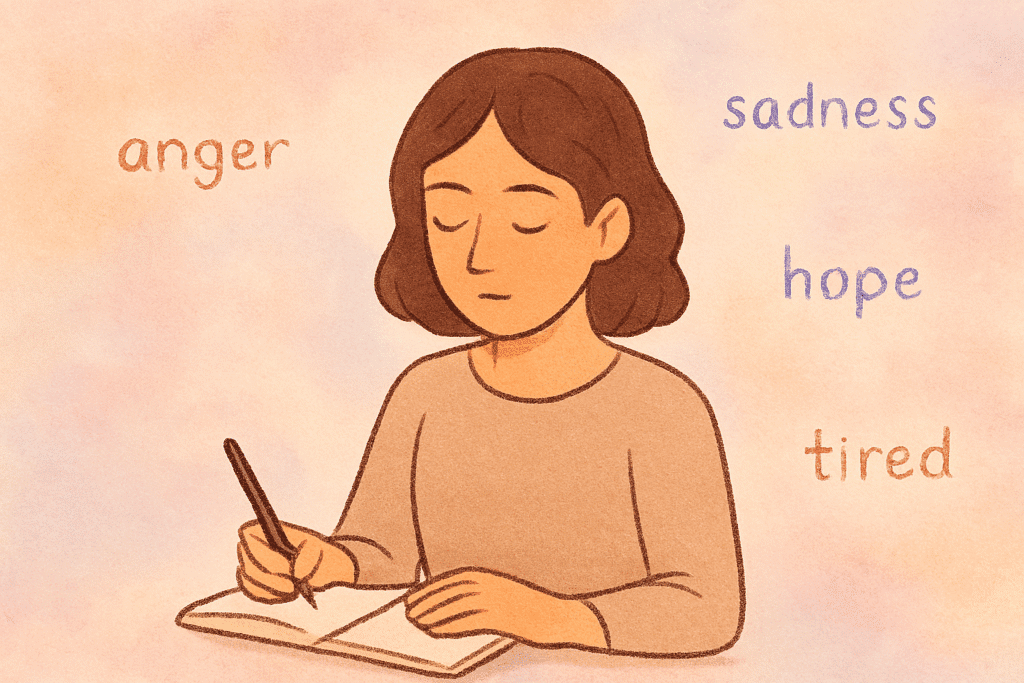
Here’s a small secret nobody really discusses: feelings weigh more when we suppress them. Anger, sorrow, frustration—these build up until they overflow. One of the easiest things to do to unload some of this weight is to simply name what you’re experiencing.
Ask yourself softly: Am I angry? Sad? Overwhelmed? Disappointed? Even articulating this to yourself out loud or putting it in writing can help.
By doing this, you’re saying to yourself, “I see you. You exist. And I’m here for you.” You don’t necessarily have to fix the feeling or alter it. You simply acknowledge it.
“It’s okay to feel. You don’t always have to fix it. Sometimes, naming it is enough.”
Imagine it as bringing your emotions out of the shadows and giving them some fresh air. It’s a little kindness to yourself. By acknowledging your feelings, you’re using another tool in your Emotional First-Aid Kit—the power of awareness.
3. Be Your Own Friend
There are days the most difficult thing is the voice inside your head. That tiny critic tells you, “You’re failing,” “Why can’t you cope with this?” or “Others are doing better than you.” It gets tiring, doesn’t it?
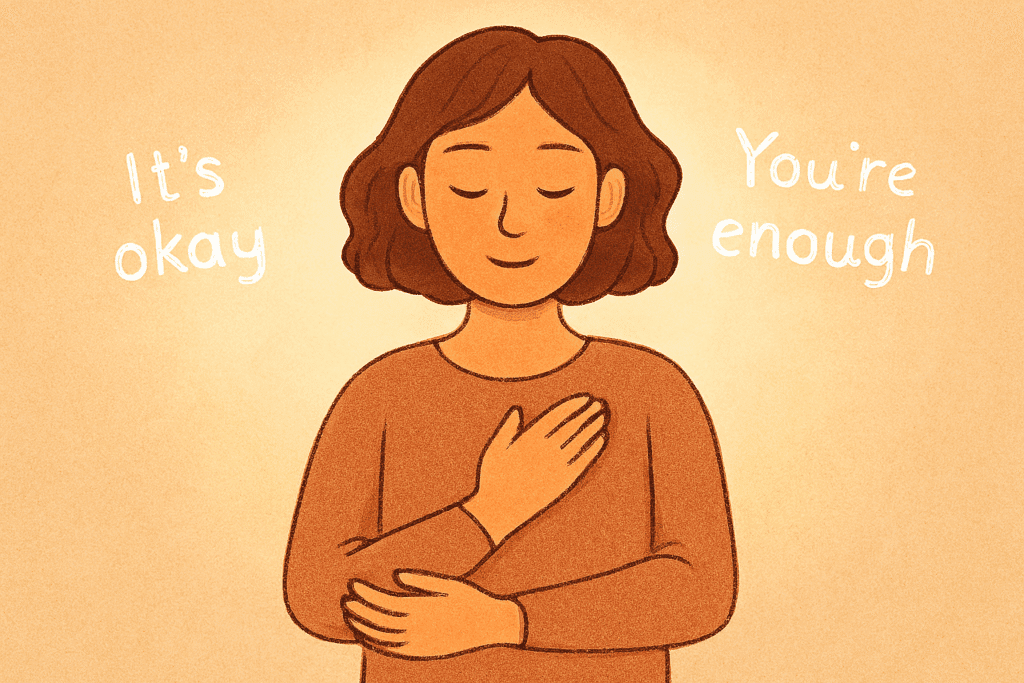
Your Emotional First-Aid Kit requires a bit of self-kindness—being nice to yourself as you would to a good friend. Place your hand on your heart and tell yourself: “It’s okay. I’m trying. I’m doing my best.”
Think you’re speaking to someone you care about, someone who matters. You’d never tell them, “You’re worthless” or “You can’t handle this,” would you? So why tell it to yourself?
Small gestures like this—hand on heart, soft words, even a short note to yourself—can change your whole day. You’re allowed to be gentle with yourself, especially when everything feels heavy.
This practice alone can turn your Emotional First-Aid Kit into a source of comfort instead of criticism.
“You’re not failing. You’re surviving. And that’s enough.”
4. Move, Even Just a Little
Our bodies remember stress in ways our brains can’t always account for. Sometimes the best thing you can do is move your body, even briefly.
It doesn’t have to be running or exercising. Just:
- Stretch your shoulders and arms.
- Walk around your house or office.
- Shake tension out of your hands and neck.
Movement sends a message to your body: “It’s okay. You’re safe. You’re alive.” And here’s a little secret: even a tiny movement can help your mind feel a little lighter, your mood a little brighter, and your thoughts a little clearer.
“Movement is like shaking off invisible weight that’s been sitting on your chest all day.”
Even a quick walk outside, getting some sun or wind on your face, can realign your thinking. It’s not fitness; it’s about allowing your body to let go of what’s holding you back. Adding movement to your Emotional First-Aid Kit helps your body release stress.
5. Reach Out—Even Just a Little
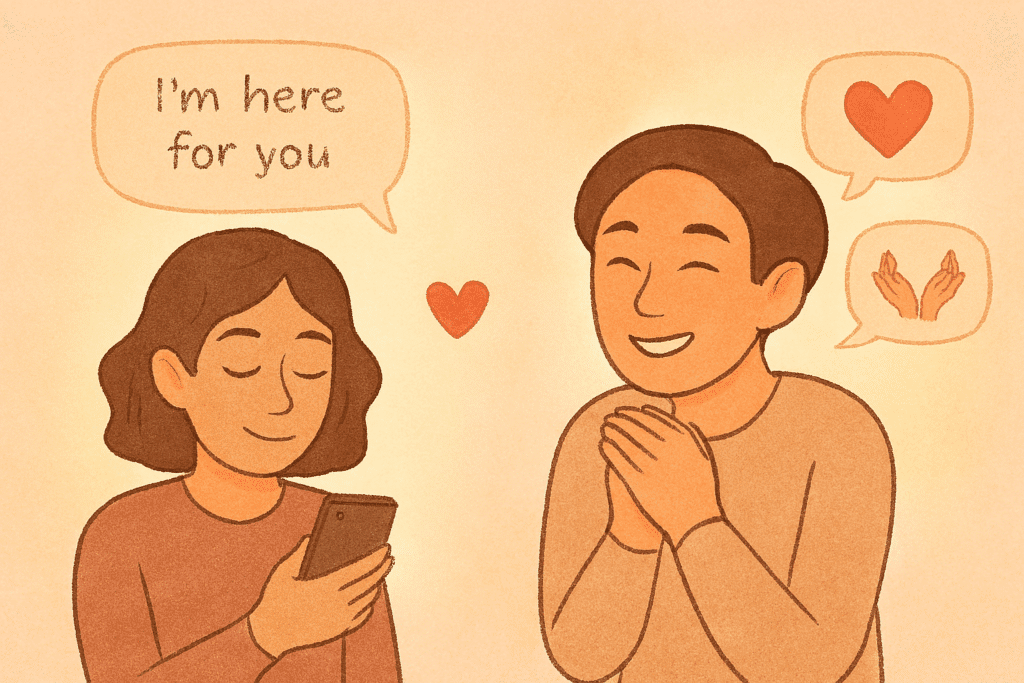
Hard days make you want to bolt and hide. And sometimes it’s okay. But this is what’s important: we’re human. We need to connect. Even a small touchpoint with a person who gets it makes it all okay.
Call someone you know and tell them, “I’m having a bad day.” Text someone you love: “Can we just talk for a sec?” Or write a letter to someone you feel safe with, like writing in a journal as if you’re speaking to them.
It doesn’t even need to be a long call or a fix. Just saying it reminds you: you are not alone. Your emotions are valid. You are heard.
Reaching out is the final piece of your Emotional First-Aid Kit—a reminder that you’re not alone.
“Vulnerability isn’t weakness. It’s the bridge that keeps our hearts alive.”
Your Emotional First-Aid Kit Quick Reference Table
| What to Do | Why It Helps | How to Use It |
|---|---|---|
| Breathe | Calms your mind and body | 3–5 slow breaths anytime |
| Name your emotions | Acknowledges feelings | Say it out loud or write it down |
| Be gentle with yourself | Soothes self-criticism | Hand on heart + kind words |
| Move a little | Releases tension | Stretch, walk, shake it out |
| Reach out | Reduces isolation | Call, text, or journal |
Making This Kit Part of Your Day
Here’s the thing: you don’t require all five tools simultaneously. Choose one. Experiment with it. Observe what it does for you. These small steps, over time, build resilience.
- Place a small reminder somewhere you can see it: “Breathe. Feel. Be gentle.”
- Create one tiny practice as a habit: breathe before coffee, stretch before bed, or send a brief text to a friend in the middle of the day.
- On absolutely tough days, open your Emotional First-Aid Kit in your mind and just pick one thing—typically beginning with breath is best.
Consider it like having a flashlight in a dark room. It won’t illuminate the night, but it will let you see a bit more distinctly.✨
Heart-to-Heart Wrap-Up
Life is messy. Your feelings are messy. Work, relationships, and responsibilities are messy. And that’s okay. You don’t have to be strong all the time. You don’t have to solve everything instantly.
What is important is how you appear for yourself on the days when things are unbearable. Your Emotional First-Aid Kit is a tiny collection of tools to get you through, to stay with you, and to remind you: I am human, and that is enough.
So today, if your heart is weighed down, your mind agitated, or your energy dwindling, recall:
- Stop. Breathe.
- Identify what you feel.
- Treat yourself with kindness.
- Take a little step.
- Reach out.
These are tiny things to do, but they’re mighty. They’re a reminder that your feelings are real, your heart is worthy of tenderness, and you are never really alone during the storm.
→ “Carry your Emotional First-Aid Kit like a little lifeline. It won’t fix everything—but it will help you survive the hard days, one small step at a time.”
💌 Note from Me:
Each tough day is a reminder that you’re living, feeling, and getting through it. Your heart is important. Your feelings are important. And even when today is tough, each small kindness, each big breath, and each small connection is a win. Keep your kit close, practise it low-key, and remember: you are enough, just as you are.



One Comment