
Why Nothing Feels Enough Anymore (Instant Gratification Explained)
There was a point where small things loomed large. Waiting for things was expected. Happiness came slowly and lasted longer. Today, nothing happens fast—food delivery, communication, fun, or approval—and paradoxically, fulfilment seems to pass even quicker. You scroll and scroll and scroll through reels, check notifications repeatedly and repeatedly and repeatedly, and still experience a feeling of emptiness. Accomplishments no longer bring the thrill that they did. The rush is over before you experience the feeling.
If you’ve ever sat back and wondered why nothing seems like it’s enough, don’t worry, it’s not because you’re broken, or ungrateful, or somehow failing at this whole life thing – it’s because the world operates on instant gratification and your brain is functioning precisely as it was intended to.
This article is a promise. A promise to explain what’s really happening inside you, why this constant dissatisfaction feels so personal, and how you can slowly reclaim depth, meaning, and emotional fulfilment without running away from modern life.
Table of content
Table of Contents
The Invisible change that happened yet had no name
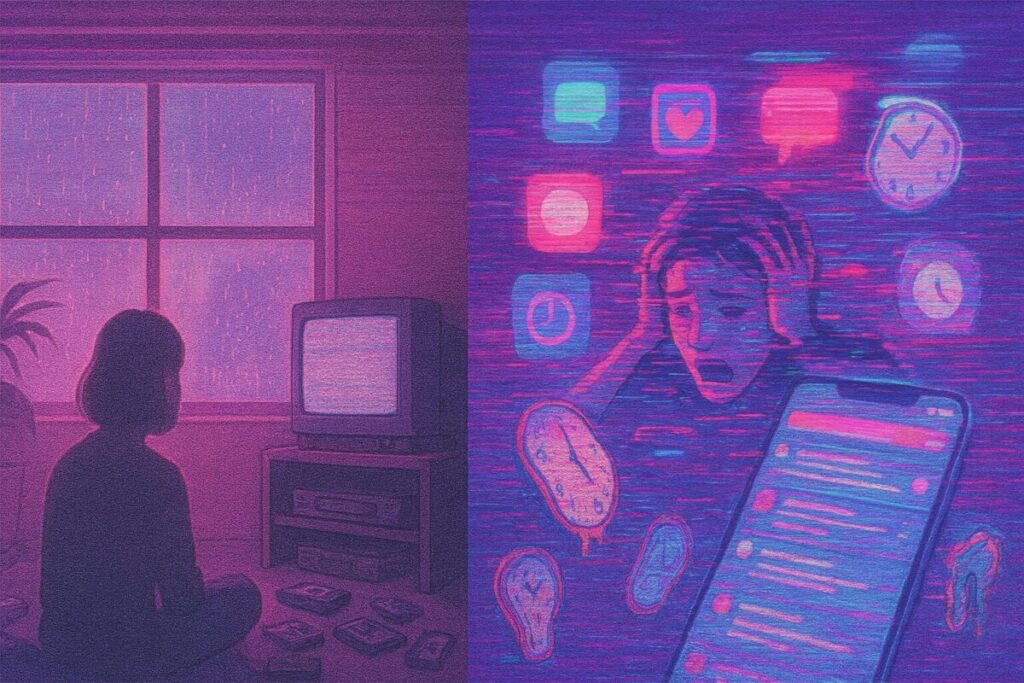
Something had changed, subtly. Nothing earth-shattering—but gradually enough that we grew to accept it. The availability of entertainment became infinite. The options grew. The attention span shrank. The longing to wait became awkward. The silence felt like a weight.
Previously, boredom was a driving force for imagination. Nowadays, boredom leads to panic scrolling. Previously, expectation was a source of excitement. Nowadays, waiting is a time-waster. Previously, hard work was meaningful. Nowadays, hard work is exhausting unless there is a reward right away.
But this change did not occur in us because of our laziness or impatience. It occurred because the instant gratification option is set to default in today’s world. And our brains, so intelligent yet fragile, learnt faster than we ever did.
What Instant Gratification really means (Beyond the Buzzword)
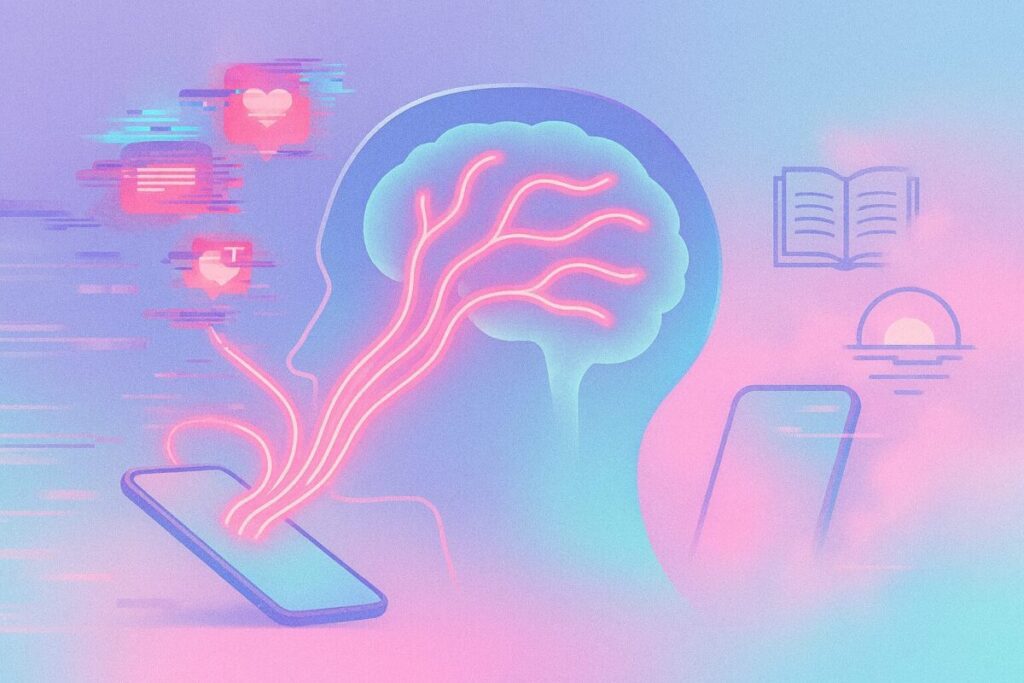
Instant gratification isn’t just about wanting things quickly. It is an expectation of instant fulfilment of every desire – emotional, intellectual, and physical.
It appears when refreshing your phone for new texts. When you abandon a task because progress feels slow. When you feel restless five minutes into a movie. When silence makes you uneasy. When likes, views, or replies subtly decide your mood.
On a biological level, instant gratification centres on dopamine—the brain’s reward chemical. Each experience of instant reward trains the brain to need more and faster stimulation. Eventually, slower pleasures will come to seem boring, even if they contribute to better and more meaningful pleasures.
This is why rest no longer feels like rest. This is why accomplishment no longer feels satisfying. This is why all things feel “not enough”.
Why nothing feels enough anymore — The Real Reason
The problem is not that there isn’t enough but that there’s too much.
Your mind is getting more stimulation in one day than most of the previous generations received in months. Unlimited content, opinions, comparisons, trends, and expectations bombard your nervous system without reprieve.
When rewards show up too fast and too often, your brain stops appreciating them. Satisfaction needs contrast: effort then reward, silence then sound, waiting then arrival. Instant gratification implies the lack of contrast, leaving you flat.
So even when good things happen, your nervous system barely registers them. You’re not unhappy – you’re overstimulated.
The Comparison Trap: How other people’s lives steal your contentment

The scrolling doesn’t just entertain you; it silently reshapes your expectations. You don’t just watch other people’s lives – you measure yours against them.
You see success without struggle. Happiness without context. Beauty without reality. Growth without patience. And bit by bit, subconsciously, your life starts feeling slower, smaller and less exciting.
You see success without struggle. Happiness without context. Beauty without reality. Growth without patience. And bit by bit, subconsciously, your life starts feeling slower, smaller and less exciting.
Why Motivation feels harder than before
Do you feel how starting things feels heavier now, how consistency is a rare feeling, and how motivation just disappears instantly?
It’s not laziness; it’s neurological fatigue.
Once your brain gets accustomed to fast rewards, long-term goals are boring. Growth is slow. Discipline is painful. Instant gratification teaches your mind to crave pleasure without patience, and effort will not feel rewarding.
That’s why reading a book seems to be more difficult than watching several short videos. That is why deep work feels like a drain. That’s why you want to see results before the whole process gets underway.
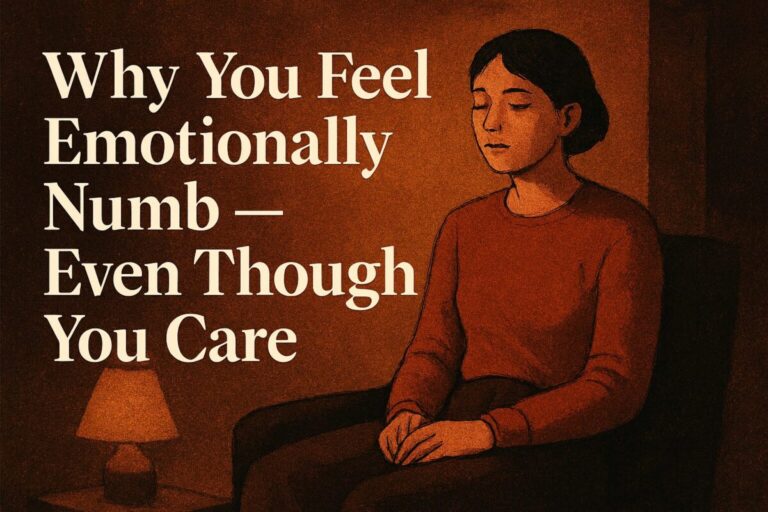
Emotional Numbness: When pleasure stops feeling pleasurable
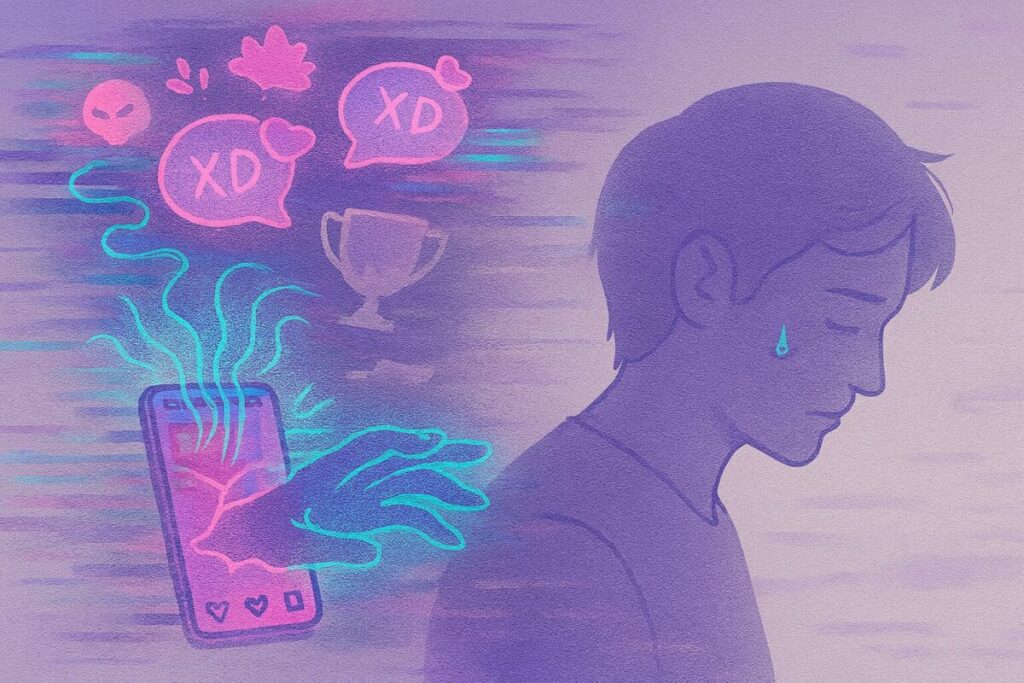
One of the most disturbing effects of instant gratification is emotional blunting. You laugh, but it’s shallow. You succeed, but it feels muted. You relax, but your mind stays restless.
This is because overstimulation blunts emotional sensitivity. If everything is loud, then nothing is special. Your nervous system remains constantly on alert, never fully relaxing into contentment.
This numbness is not permanent, but it is a warning: your mind is asking for slowness, depth, and space. how music helps regulate emotions
Why even love and relationships feel different now
Instant gratification doesn’t stop at screens: it dictates how we interact with people.
Conversations feel shorter. Attention wanders. Emotional availability feels spotty. We expect instant understanding, instant responses, instant chemistry – and when relationships demand patience, they strike us as frustrating.
It takes time to develop deepness. It takes repetition to build trust. Love requires being present. However, instant gratification has taught us to abandon anything that does not feel instantly rewarding.
This is why so many people feel lonely even though they are always connected.
The Anxiety Nobody Talks About
There’s a subtle anxiety to instant gratification – the FOMO, falling behind, not doing enough. When everything’s instant, rest is earned. Slowness is irresponsible. Stillness is unsafe.
Even when the body rests, your mind stays busy. You feel tired but can’t stop. It’s not always loud – anxiety hums softly in the background of your life.
Recognising it is the first step to easing it.
Why Self-Discipline Feels Like a Battle Now
Discipline used to be about consistency. Now it feels like resistance. That’s because instant gratification hijacks your reward system. Your brain resists anything that doesn’t offer immediate payoff.
Discipline isn’t about forcing yourself but retraining your nervous system to tolerate discomfort again: boredom, silence, effort, and waiting.
And yes, it’s possible.
Relearning Satisfaction in a Fast World
It is not to reject technology and modern life in favour of simply living. It is about reintroducing balance.
Satisfaction returns when you create friction — small pauses between desire and fulfilment. When you slow down consumption. When you allow yourself to be bored occasionally. When you let effort build anticipation again.
These moments are at first uncomfortable because instant gratification removed them from your life. But discomfort is the doorway back to depth.
Micro-Shifts That Gently Undo Instant Gratification
You don’t need those drastic detoxes or anything too extreme. It’s the small changes that work more effectively.
Delays morning phone checking, completes one task before switching to another, sits with music instead of scrolling, reads without jumping tabs, and eats without distractions. Notice your urge to escape boredom — and don’t obey it immediately.
These micro-shifts gradually reset your brain to be able to feel satisfaction once more.
Why Slowness is not Falling Behind
Slowness is not failure. It’s regulation.
As you slow down, so does your nervous system. Your thoughts organise themselves. Your emotions deepen. Creativity returns; motivation stabilises.
The most meaningful experiences of life — growth, love, mastery, peace — were never instant.
💌 A Final Note for You
If nothing feels enough anymore, it’s not because you’re ungrateful or lost. Rather, it’s because your mind has been overstimulated, rushed, and trained for too much too fast.
You don’t need to fix yourself; you need to slow the pace at which you consume life.
This is not about quitting modern tools but using them more consciously: depth instead of noise, presence instead of speed, and meaning instead of passing pleasure.
The world will continue to offer instant gratification. But you decide what you do and don’t let into your inner world.
And when you choose awareness over autopilot, satisfaction doesn’t need to be chased anymore; it quietly returns.



One Comment