Doomscrolling Psychology: Why We Can’t Stop (And How to Break Free)
Let’s talk about what no one admits out loud
It begins with a single swipe.
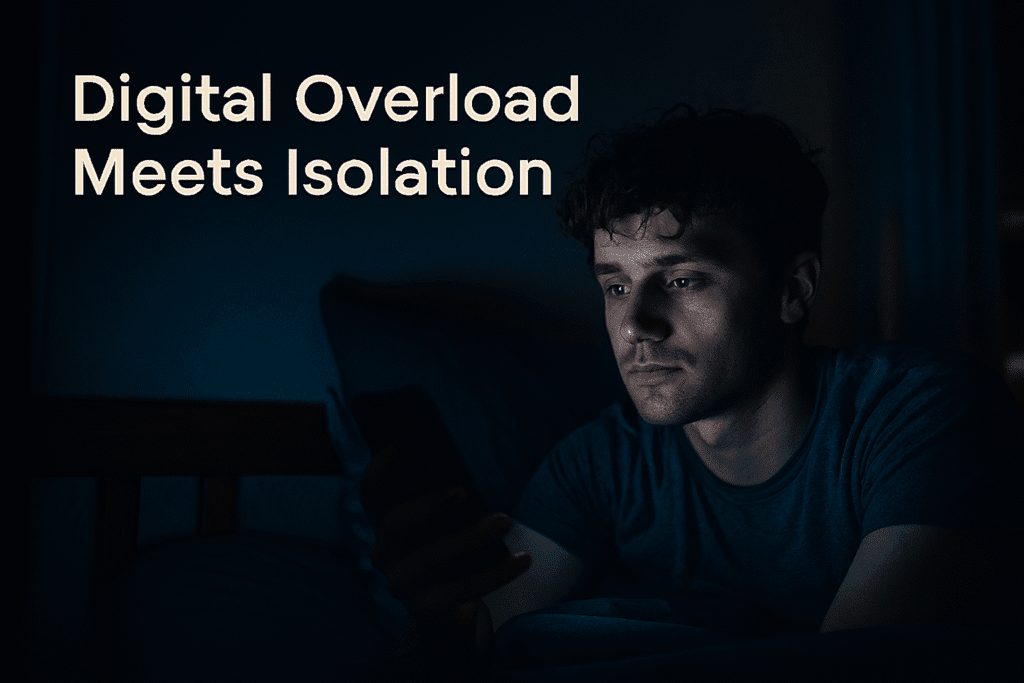
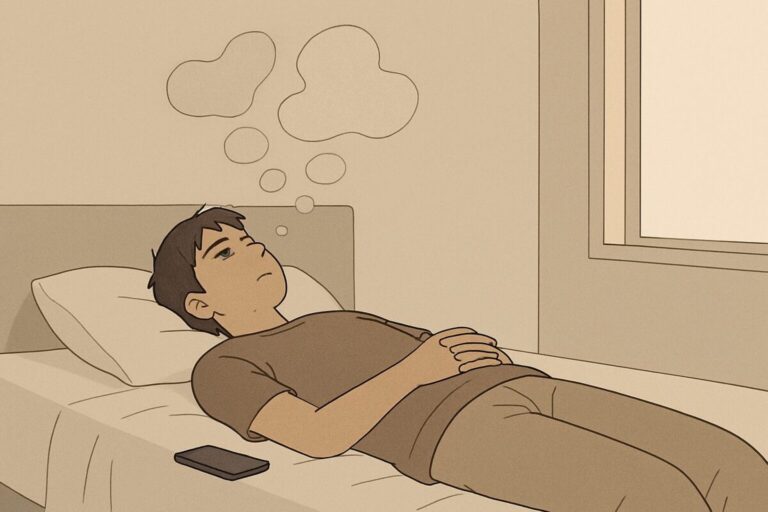
You’re in bed, vowing to yourself just a quick look at the news or social stream. Next thing you know, it’s 2 a.m., your heart aches, and your head is filled with wars, tragedies, disasters, and arguments from all over the world.
You mumble to yourself: “Why do I do this to myself?”
The cycle has a name. It’s not laziness, it’s not weakness—it’s doomscrolling psychology. And once you realise it, you’ll finally recognise why your brain feels so inescapably drawn into never-ending bad news… and most importantly, how to break it.
Stick with me till the end, because we’re not just talking about breaking a bad habit—we’re talking about reclaiming your attention, your emotions, and even your peace of mind.
Table of Content
Table of Contents
What Exactly Is Doomscrolling Psychology?
Doomscrolling psychology is the research of why we continue to scroll through bad news on the internet, even when it stresses us out or makes us nervous. Our brains are programmed to detect danger—a primitive survival skill from way back when—so bad news naturally grabs our attention.
But fear is just a part of it. Doomscrolling also feeds on curiosity, compassion, and the desire to be connected to what is going on in the world. Social media platforms amplify this with boundless streams and notifications, trapping us in a cycle of anxiety and distraction, often at the expense of our calm and focus.
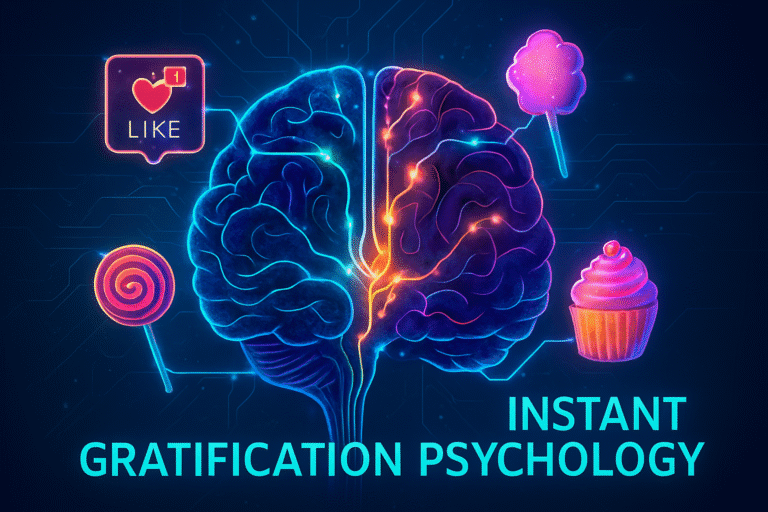
Why Doomscrolling Tastes So Addictive
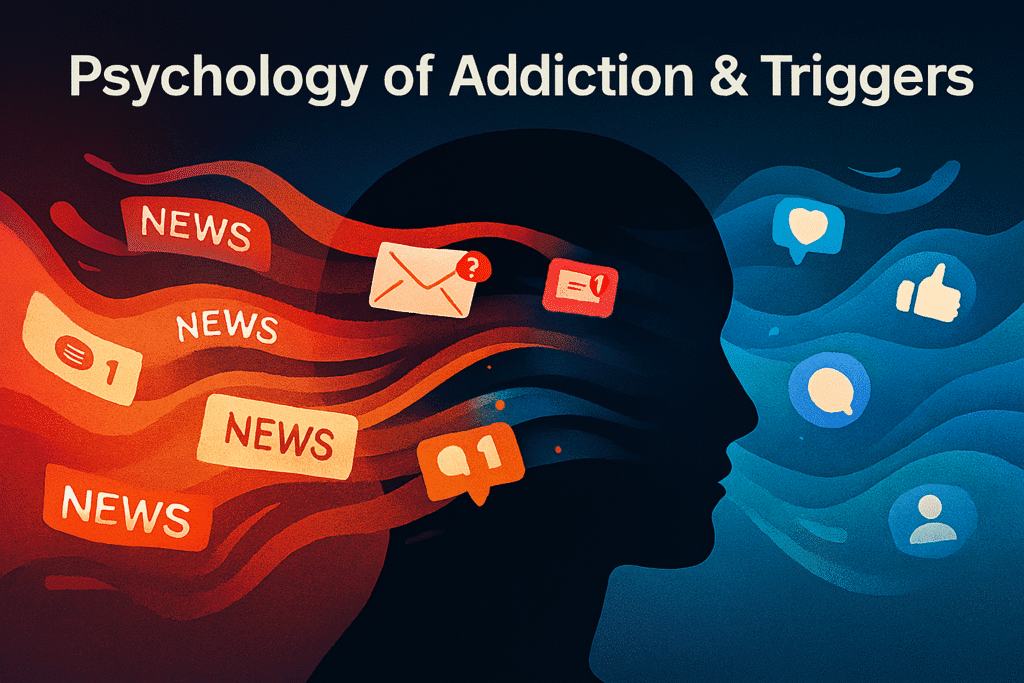
Let’s disassemble the most important psychological triggers of doomscrolling psychology:
- Negativity Bias
- Your mind focuses more on bad things than good things. Bad news is “urgent”.
- That’s why it takes just one bad headline to overpower ten positive ones.
- Dopamine and Variable Rewards
- Sometimes you stumble upon shocking, dramatic stories; sometimes boring updates.
- The uncertainty simulates gambling, giving off dopamine and making you addicted.
- Fear of Missing Out (FOMO)
- A stealthy aspect of doomscrolling psychology is the worry that you’ll miss an earth-shattering event.
- “What if something big happens and I don’t know?” —that thought keeps you scrolling.
- Illusion of Control
- Reading more news feels like preparation. In fact, you gain no control, just more worry.
- Emotional Numbing
- Ironically, sometimes we doomscroll to escape our own thoughts. It distracts us—draining us in the process.
The Psychological Cost of Doomscrolling
Doomscrolling psychology is more than a quirk—it transforms your inner environment. Here’s what goes down when you remain stuck:
- Heightened Anxiety & Stress: Endlessly pumping negative inputs into your brain keeps your nervous system in “fight-or-flight”.
- Disrupted Sleep: Blue light + sad news = sleepless nights.
- Distorted Worldview: You begin to think the world is gloomier than it actually is.
- Emotional Drain: Excessive consumption of adverse news exhausts energy levels, leaving you desensitised.
- Strain on Relationships: Physically present but mentally absent in feeds breaks down connections.
“What you consume consumes you.”
A Quick Self-Check: Are You Trapped in Doomscrolling Psychology?
Answer honestly:
- Do you vow “just 5 minutes” only to spend an hour scrolling?
- Do you end up feeling emotionally exhausted or anxious afterward?
- Do you repeat multiple news or social apps constantly during one sitting?
- Do you doomscroll late at night, even when you’re exhausted?
- Do you feel bad about it afterwards but do it again?
If you answered “yes” to at least three, doomscrolling psychology has got its hooks in you.
Why Stopping Feels So Hard
This is where psychology actually describes the trap:
- Neurological: Dopamine hits make it feel good, even when it isn’t.
- Cognitive: Headlines create a sense of urgency, and your brain gets taken in.
- Behavioural: Websites are designed to have you scroll forever.
- Emotional: We look for news to calm doubt, but ironically it reinforces it.
👉 And getting this isn’t about fault—it’s about kindness. You’re not a machine. You’re just human, trapped in a cycle built to trap you.
Breaking Free: Psychology-Focused Strategies
This is where doomscrolling psychology can actually benefit you. Once you understand the “why”, you can flip the “how”.
- Call Out the Cycle Loud
The instant you notice yourself, say, “This is doomscrolling.”
Awareness shatters autopilot.
- Substitute Night Scrolls with Night Rituals
Nighttime is doomscrolling’s best friend. Instead, try:
- 5-minute journaling.
- Reading a few pages of a book.
- A gentle stretch or conscious breathing.
- Make Intentional Boundaries
- Set particular times for news checks.
- Swipe off news/social apps from the home screen.
- Employ app timers (and respect them!).
- Edit Your Inputs
Unfollow accounts that live off of fear. Instead, follow balanced, considered voices.
- Experiment with the “One-Headline Rule”
Read one headline, and ask, “Do I need to know more right now?”
If not, move on.
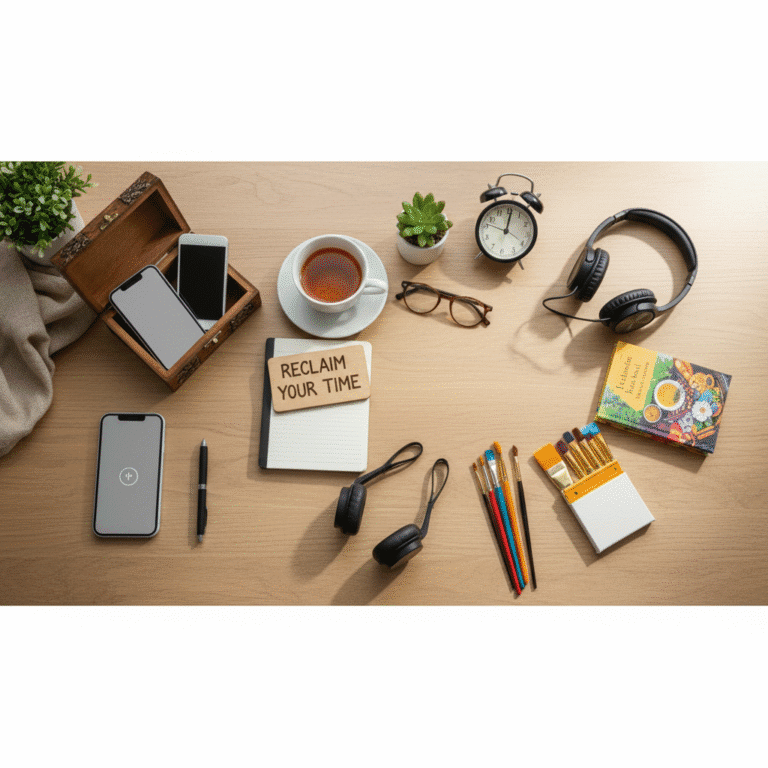
- Substitute with Micro-Joys
Exchange doomscrolling with activities that ground you:
- Get outside for a breath of fresh air.
- Send a text to a friend.
- Brew a cup and drink it slowly.
- Practice “Information Fasting”
Take one day a week out of news feeds. Observe how your mind settles.
Doomscrolling Psychology vs Balanced Psychology
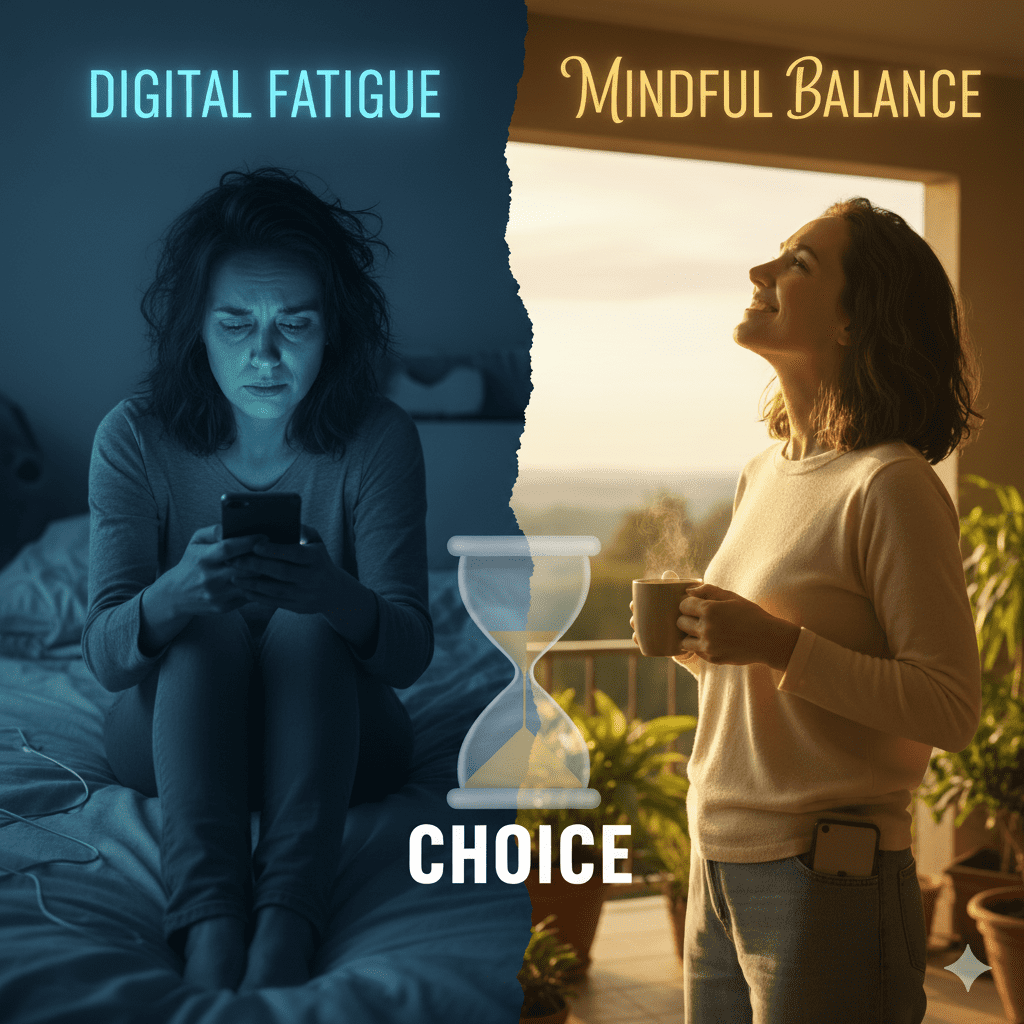
| Doomscrolling Psychology | Balanced Digital Psychology |
|---|---|
| Compulsive late-night scrolling | Limited, intentional news checks |
| Focus on negative events | Mix of positive + useful inputs |
| Feeds anxiety and restlessness | Creates calm and perspective |
| Drains time and energy | Protects time and mental clarity |
| Feeling helpless | Feeling empowered |
The Deeper Truth Behind Doomscrolling Psychology
Underneath it all, doomscrolling is not about phones. It’s about our relationship with fear and uncertainty.
We scroll because:
- We crave certainty in an uncertain world.
- We crave control when we are feeling helpless.
- We crave distraction when feelings feel burdensome.
But here’s the paradox: the act of scrolling itself amplifies the exact fears we’re attempting to calm.
Envision Life Without Doomscrolling
Imagine this:
- You wake up and begin your day with serenity rather than anarchy.
- You spend your evenings with loved ones, not news headlines.
- You close your nights at peace, not in anxiety.
This isn’t impossible—it’s just the psychology of selecting what is worthy of your attention.
Mini Mantras to Remember
“I can be informed, but not consumed.”
“My attention is my currency.”
“Not every headline warrants my nervous system.”
Recap: How to Break Doomscrolling Psychology
- Reclaim joy offline.
- Recognise the loop.
- Establish screen time boundaries.
- Develop substitute rituals.
- Edit your digital inputs.
- Defend your mornings and evenings.
- Practise intermittent fasting.
Every tiny step is a break in the loop—every break allows more light.
Final Note From Me to You ❤️
I want to leave you with this truth:
You don’t owe your peace of mind to countless headlines.
The world is complicated, yes—but immersing yourself in its tragedies won’t fix it. In fact, the quieter and clearer you are, the more you can actually do to heal it.
Tonight, as your finger lingers on the “refresh” button, stop. Put down your phone. Put your hand on your heart. Ask yourself:
“Is this helping me live, or is it pulling me away from life?”
The world will continue to turn—but your peace, your concentration, and your vitality are yours to guard. You have the right to live deeply, not through a screen. You have the right to your own attention again.
Choose life. Choose presence. Choose freedom from doomscrolling psychology. 🌿