
The Silent Art of Sentimental Collecting
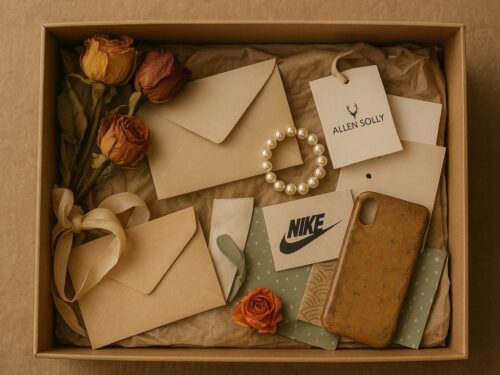
The Secret Significance of Ordinary Items
A piece of discarded gift wrapping or a crumpled movie ticket might seem like nothing to most of us. But for a lot of us, these tiny things are prized fragments of our personal past. They form part of a quiet tradition called sentimental collecting—collecting objects that have no monetary value but great emotional significance.
While minimalism trends tell us to clean out, psychology indicates that holding on to sentimental items isn’t just about retaining the past. It’s about memory, connection, and identity.
Table of Content
Table of Contents
Why We Collect What Others Discard
Human beings are meaning-makers by nature. We impose stories and feelings upon things, turning them into symbols. A handwritten piece of paper can become a reminder of love, a pressed flower a sign of a lost season, and a travel ticket a piece of adventure.
Psychologists describe this as symbolic attachment. The object itself is not important—it’s what it represents. By keeping these things, we preserve access to feelings, relationships, and moments that shaped us.
For some, these collections are small—one or two items tucked into a drawer. For others, they may grow into boxes filled with mementos. Regardless of size, the act of sentimental collecting is a way of weaving together the fabric of memory.
The Role of Memory in Sentimental Collecting
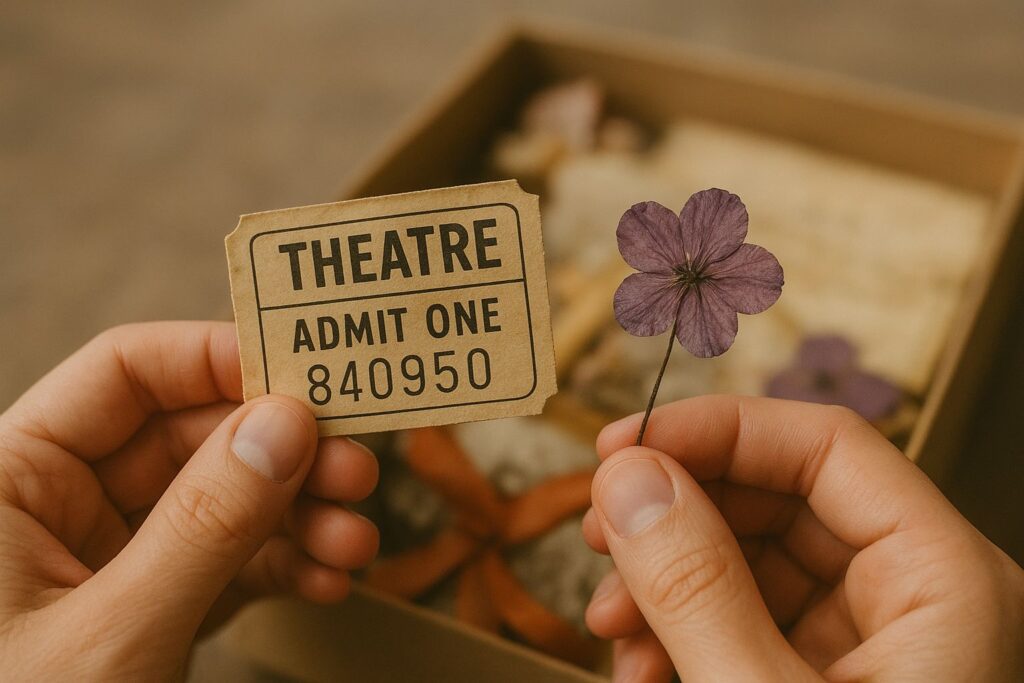
Memory is weak. Things fade, faces get indistinct, and specifics get lost. Sentimental collecting offers a means to keep it. Objects serve as memory cues, releasing detailed recollections that would otherwise be lost.
- A bus ticket might recall not only a trip but also the individual with whom you sat.
- A note passed in class might evoke the ring of laughter in a classroom.
- A gift ribbon can bring back the joy of being celebrated.
This is a psychological process: objects are external memory storage. They enable us to revisit feelings and ground our sense of self over time. Sharing collections or the stories behind them often deepens bonds, reminding us of the value of authentic human connection—much like choosing deep connections over small talk in everyday relationships.
Identity and Continuity
We are, essentially, the sum of our memories. Without them, we lose part of ourselves. Sentimental collecting enables us to bring pieces of the past with us into the present, confirming identity.
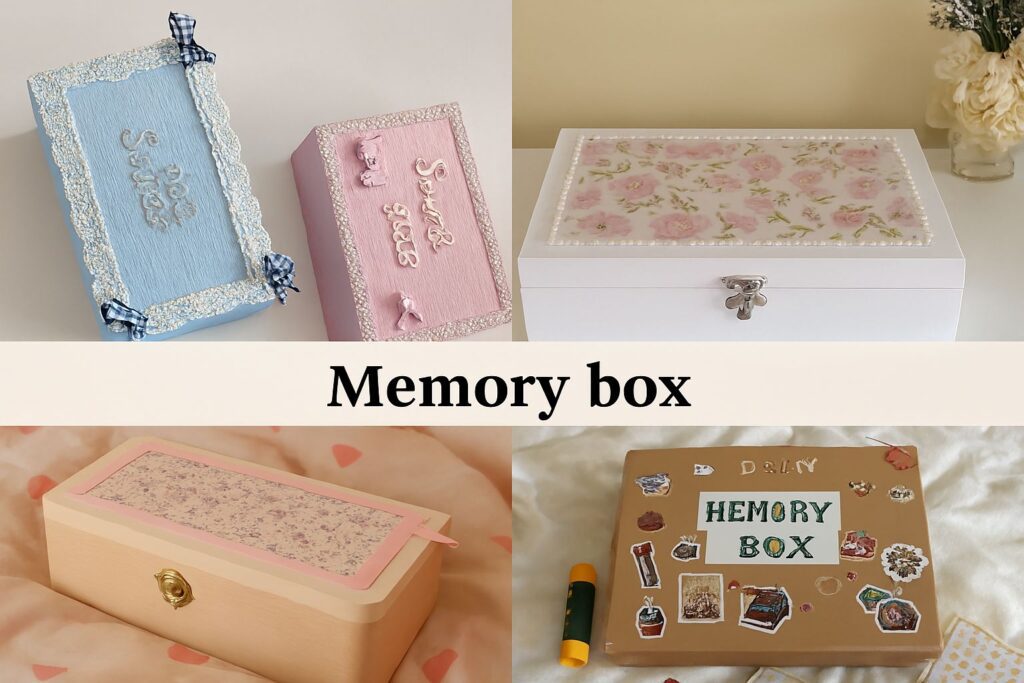
Consider a keepsake box a private museum. Every object is a display that recounts something: whom we loved, what we prized, how we evolved. During uncertain times, these items remind us of our foundation, that we are greater than today’s present—we are the sum of every iteration of ourselves yet.
Why Others Perceive It as Clutter
As much as it is meant, sentimental collecting gets misunderstood. Siblings may consider it hoarding; friends will consider it unnecessary. Parents might ask the children to “let go of the past” in order to make way for the new.
This conflict is partially cultural. In cultures where minimalism, efficiency, and productivity are prized, retention of “useless” items is irrational. But psychologically, it’s very human. We are not merely forward-thinking creatures—we are also narrators, and stories require artefacts.
The Fine Line Between Collecting and Hoarding
It’s important to remember that, in moderation, sentimental collecting can be beneficial. When it goes too far—hordes of useless items in rooms, making it difficult to function without them—it may be considered compulsive hoarding.
The difference is between effect and intention:
| Healthy collecting | Unhealthy hoarding |
|---|---|
| > Selective | > Compulsive |
| > Meaningful | > Overwhelming |
| >Within Management | > Interferes with Functioning. |
Most sentimental collectors are on the healthy end. Their mementos are not barriers but milestones.
Are We Nothing Without Our Memories?
This leads to an even deeper question: What are we without memory? Would we be blank slates if we removed reminders from life?
Philosophers and psychologists agree that memory constructs identity. It is memory which reminds us who we are, where we’ve been, and why our existence is important. Sentimental collecting is one manner by which we preserve this identity. Rather than wasteful, it is a preservation practice—making certain our history is not lost to time.
Sentimental Collecting in Daily Life
The practice appears everywhere, unnoticed:
- Wedding favours: small things stored long after the wedding.
- School notebooks: pages saved even when the information is no longer relevant.
- Travel souvenirs: seashells, rocks, or regional knick-knacks transported across oceans.
- Digital collections: screenshots, outdated texts, saved pictures.
They are all charged with emotion. They are anchors in a fast-changing world.
The Psychological Comfort of Sentimental Collecting
In addition to memory, sentimental collecting offers psychological comfort.
- Emotional regulation: Gazing at mementos can calm stress or grief.
- Connection: Reminders of people we care about, even when they are no longer around.
- Belonging: Shared possessions—such as a ticket to a concert with friends—cement relationships.
- Resilience: Recalling memories reminds us of earlier happiness and adversity overcome.
Thus, sentimental collecting is not a failing—it is a strength.
When Collecting Becomes a Ritual
For some, collecting is more than just storage; it is a ritual. Saving wrapping paper, pressing flowers, or stashing notes becomes a habitual act, done on purpose. Rituals provide order and meaning to life, and sentimental collecting frequently becomes one of those quiet, grounding practices.
Folding, conserving, and hiding anything is peaceful in itself. It says, ‘This time was significant.’ This person counted. This life was significant.
A Balanced Approach to Collecting
To engage in sentimental collecting without getting overwhelmed, balance is essential. Consider these strategies:
- Curate with purpose. Ask yourself: Does this item really hold memory, or am I holding on to habit?
- Store purposefully. Make a memory box, scrapbook, or digital repository. Display means everything—it turns clutter into curation.
- Visit regularly. Store objects, but don’t just do that—engage with them. Let them incite consideration and appreciation.
- Share the stories. Transferring the history of an object doubles its worth.
- Let go with grace. Oftentimes, letting go of an item respects expansion. The memory will remain, although the item doesn’t.
To onlookers, sentimental collecting will appear to be trash collection. To the collector, it is holy—it is memory in material form. These items whisper stories, assuring us that life is not just quantified by milestones but by passing, everyday moments of importance that need to be saved.
We don’t accumulate because we can’t let go—we accumulate because we wish to take our past with us into the future. And by doing so, we are confirming a fact: that who we are cannot exist independently from what we recall.
Because without memory, we are not blank vessels—we’re unfinished.
Is there an object you’ve held onto for years because of the memory it carries? I’d love to know what it is.



2 Comments